Tucker A. Patterson, Ph.D. is Center Director at the FDA’s National Center for Toxicological Research (NCTR). Dr. Patterson previously served as the Deputy Director for Research in the Office of the Center Director/Office of Research. Prior to this appointment, he served two years as the Associate Director for Science & Policy and over seven years as the Associate Director and Health Science Program Manager in Regulatory Compliance & Risk Management at NCTR. Dr. Patterson received a B.S. in Chemistry from the University of Ark read more...

Speaker & co-chairs
Key Speakers
Speakers are not in specific order
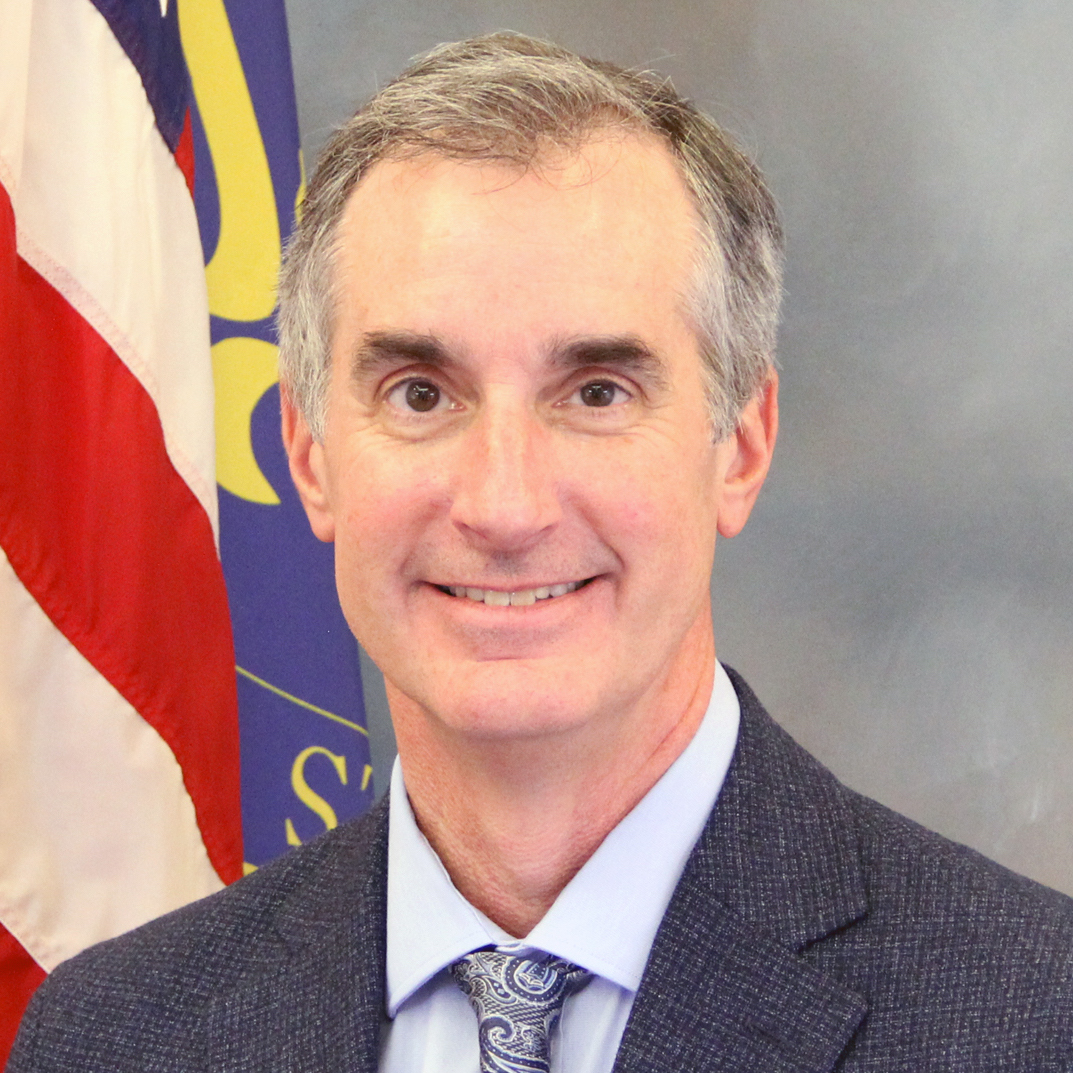
Tucker Patterson, Ph.D.
Director of National Center for Toxicological Research (NCTR)
U.S. Food and Drug Administration (FDA)
Weida Tong, Ph.D.
Former Chair of Global Coalition of Regulatory Science Research (GCSRS)
Director, Division of Bioinformatics and Biostatistics
FDA/NCTR
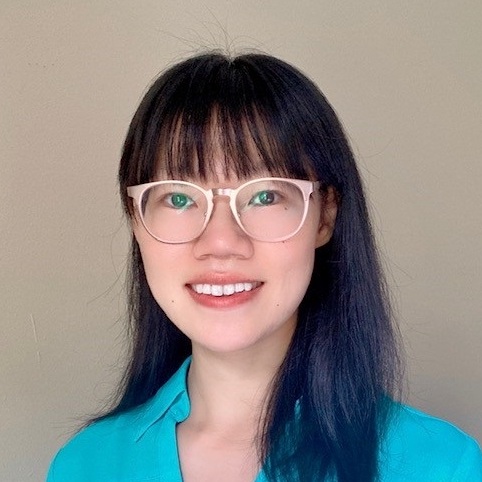
Dongying Li, Ph.D.
Research Scientist, National Center for Toxicological Research (NCTR)
U.S. Food and Drug Administration (FDA)
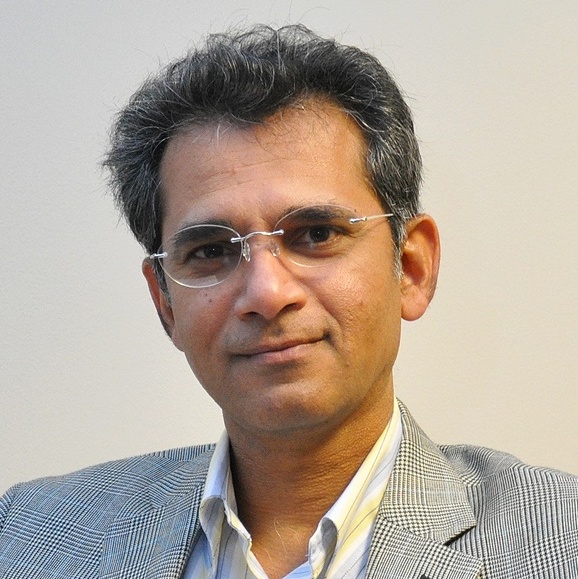
Anil Patri, Ph.D.
Director, Nanocore and Chairs FDA’s Nanotechnology Task Force
National Center for Toxicological Research (NCTR)
U.S. Food and Drug Administration (FDA)
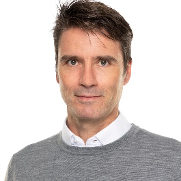
Michael Renaudin
Co-founder,
Veanu, Switzerland
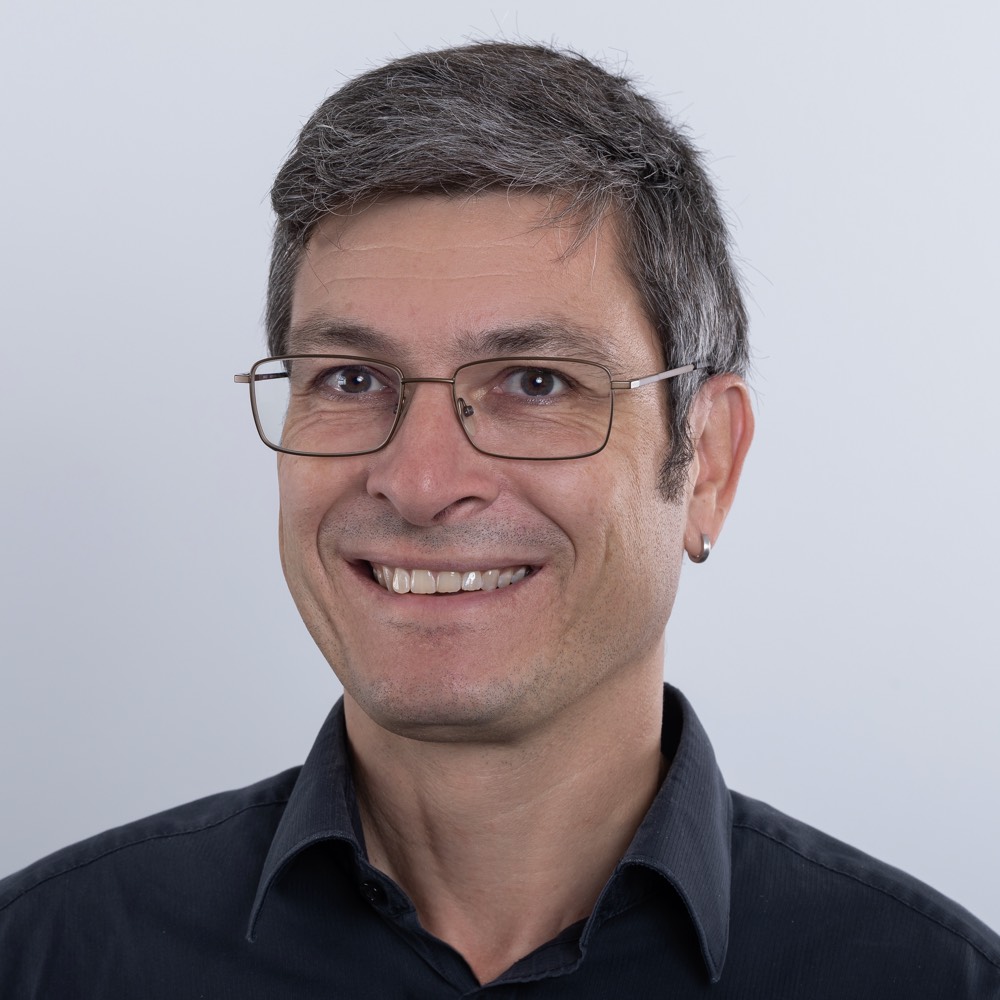
Philipp Weyermann, Ph.D.
Head of Unit,
Regulatory Assessment 2,
Swissmedic, Switzerland
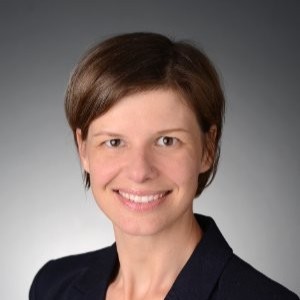
Elisabeth Klenke, Ph.D.
Preclinical reviewer and GLP inspector,
Swissmedic, Switzerland
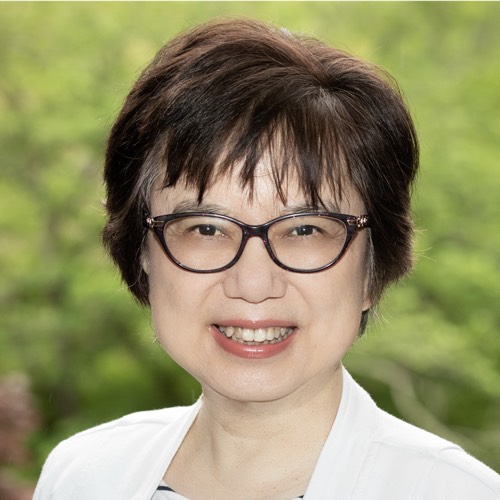
Wenjun Bao, Ph.D.
Chief Scientist and Director of Advanced Analytics R&D
JMP Statistical Discovery
SAS Institute Inc
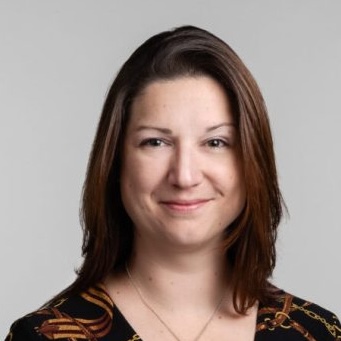
Angela Bearth, Ph.D.
HF Partners
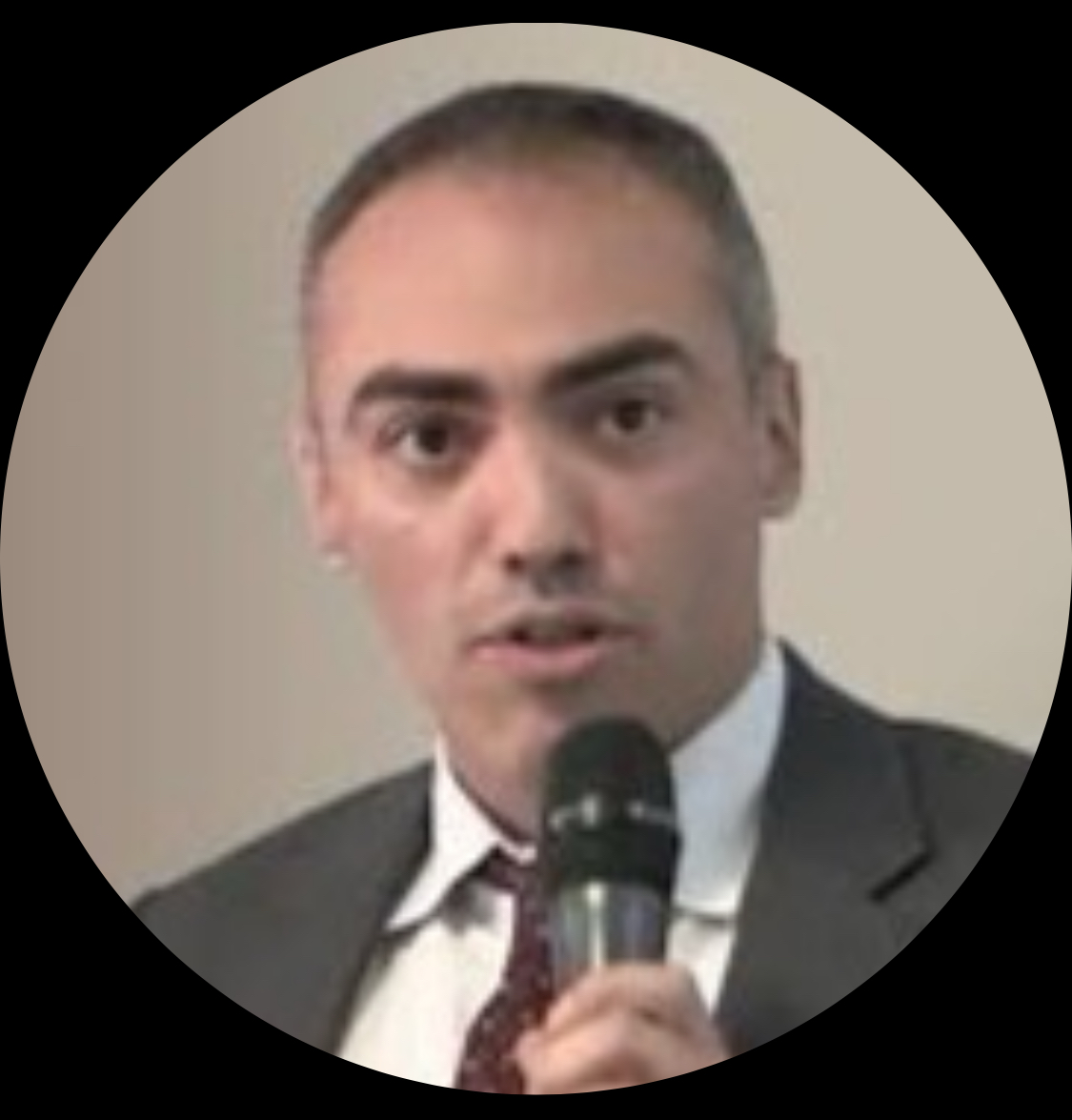
Billy Amzal
Head of Strategic Consulting,
Phastar

Diane J. Burgess, Ph.D.
Distinguished Professor, Pfizer Distinguished Chair in Pharmaceutical Technology, UConn

Claudius Griesinger, Ph.D.
Member of the Leadership Team of the JRC’s project portfolio on “Innovation in Life and Health Sciences
European Commission Joint Research Centre (EC, JRC)
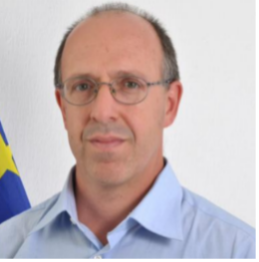
Luigi Calzolai, Ph.D.
Project Leader
Joint Research Centre of the European Commission (EC, JRC)
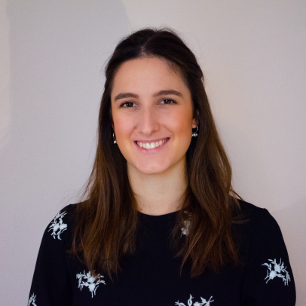
Irene Cattaneo, MSc.
Scientific Officer
European Food Safety Authority (EFSA)
Tammy Collins, Ph.D.
Program Officer
Burroughs Wellcome Fund (BWF, US)
Szczepan Baran, Ph.D.
Chief Scientific Officer
Insterm, Boston, MA
Emmanuel Cormier, Ph.D.
Head of Regulatory Science and Innovation Task Force,
European Medicines Agency (EMA),
Netherlands

Thomas Hartung, M.D./Ph.D.
Chair for Evidence-based Toxicology
Center for Alternatives to Animal Testing (CAAT)
Johns Hopkins Bloomberg School of Public Health
Maryland, USA
Nicolás Löffler-Pérez, Ph.D.
Data Scientist
Swissmedic
Switzerland

Xingchao Geng, Ph.D.
Professor, Director
Institute for Biological Products Control (IBPC)
National institutes for Food and Drug Control (NIFDC), China
Douglas Gilliland, Ph.D.
Group leader
JRC
Philippe Girard, Ph.D.
Deputy Executive Director, Swissmedic, Switzerland
Mar Gonzalez, Ph.D.
OECD Secretariat
Working Group on Chemical Accidents

Federico Goodsaid
SVP Regulatory,
Ariana Pharma
Andrea Haase, Ph.D.
Head of the Unit “Fibre and Nanoparticle Toxicology”
& Deputy Department Head of the Department "Chemical and Product Safety”
German Federal Institute for Risk Assessment (BfR, DE)
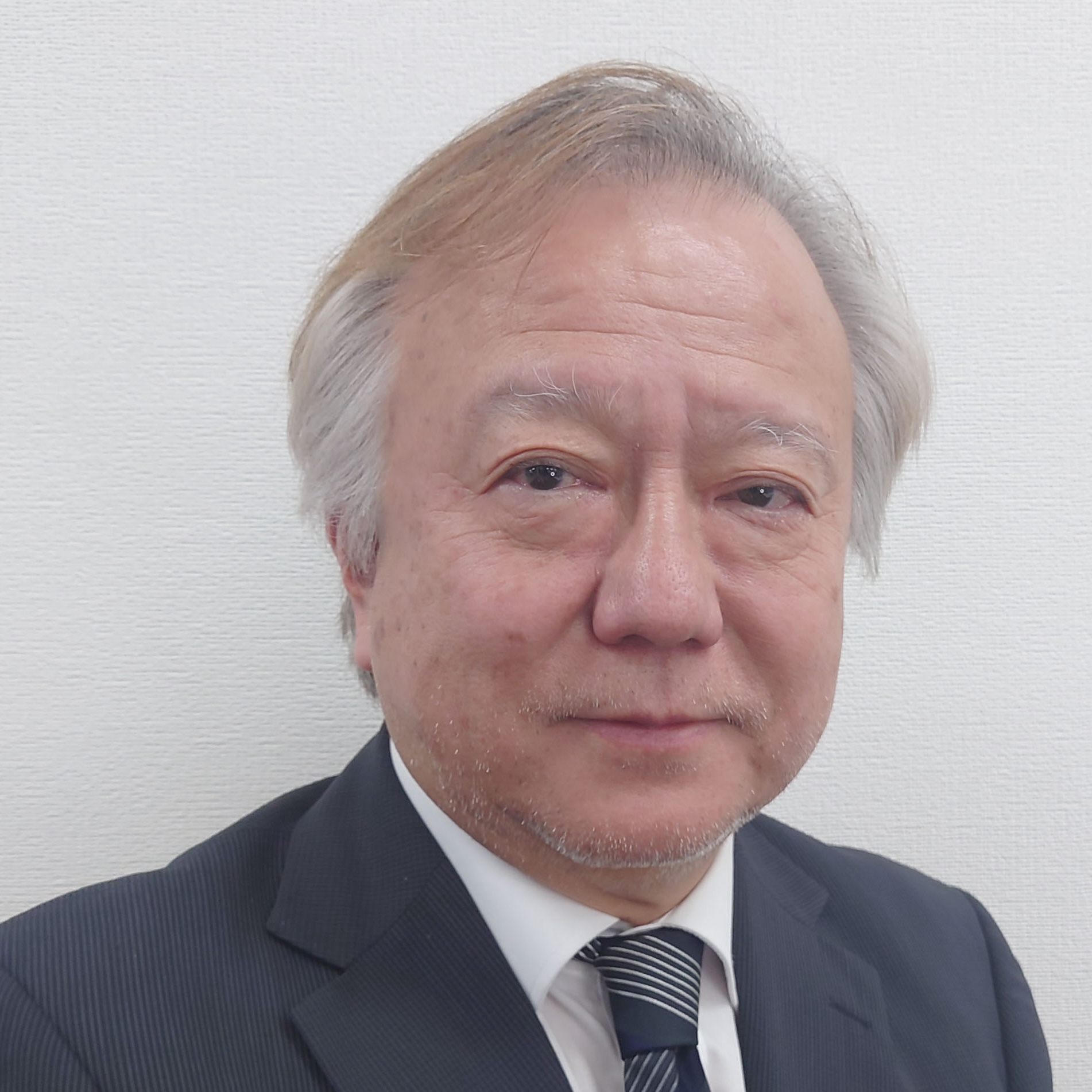
Hiroki Nakae, Ph.D.
Director General,
Japan Bio-Measurement and Analysis Consortium (JMAC),
Japan
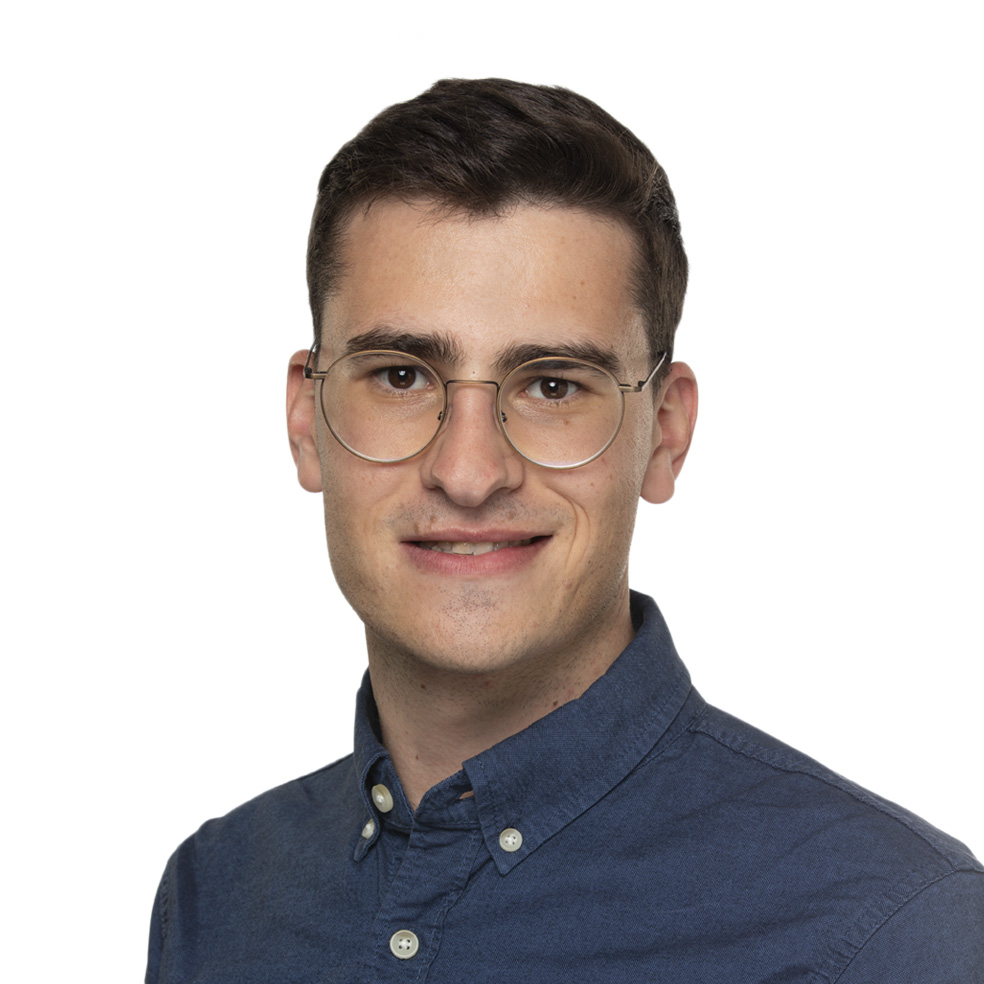
Alexander Horst
Data Scientist,
Veanu, Switzerland

Michael Johnston, Ph.D.
Principle investigator Nanomedicines Laboratory
Centre for Oncology, Radiopharmaceuticals and Research, Biologic and Radiopharmaceutical Drugs Directorate,
Health Canada
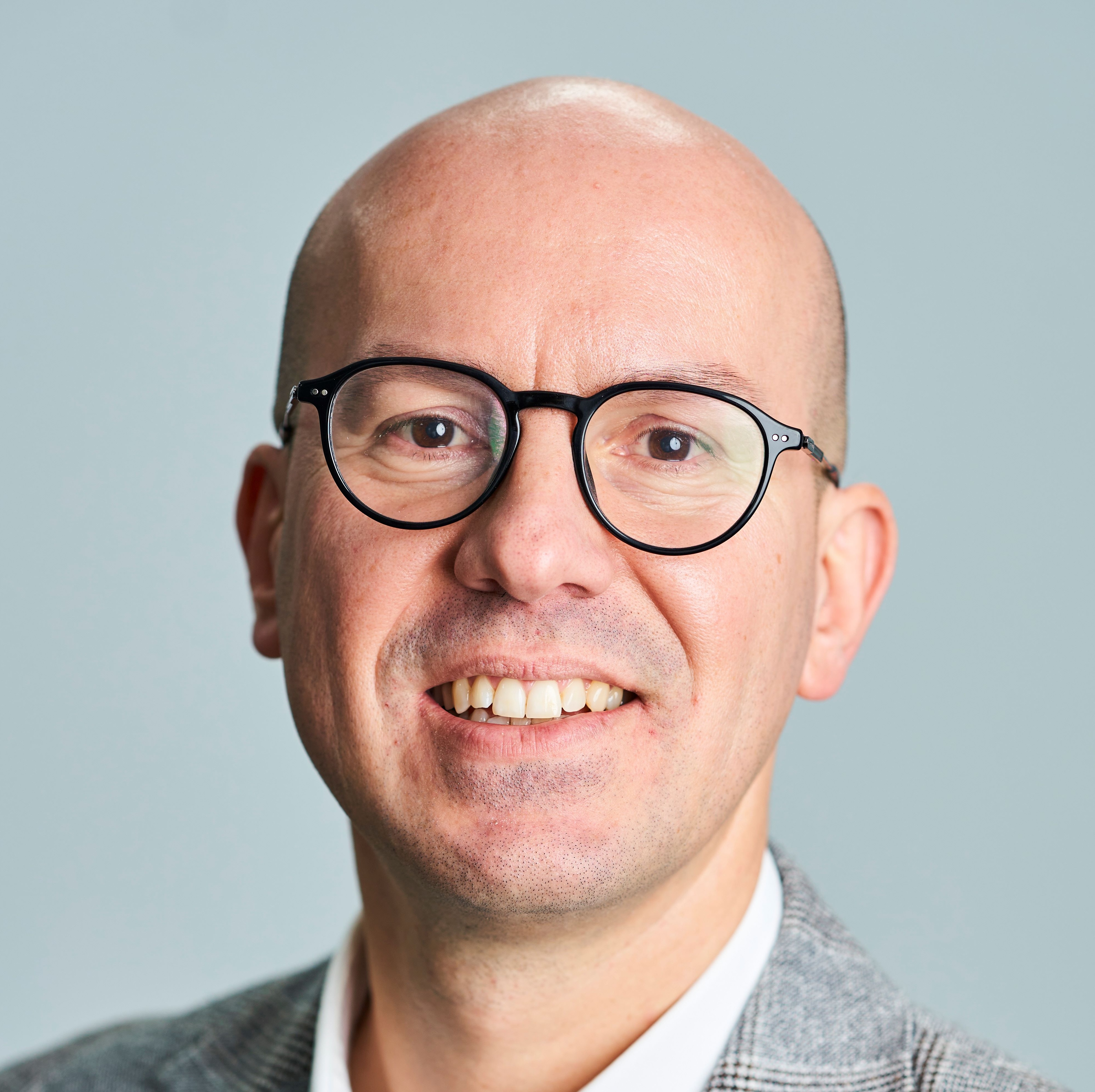
Predrag Kukic, Ph.D.
Computational Science Leader
Safety, Environmental and Regulatory Science (SERS), Unilever

Megan LaFollette, Ph.D.
Executive Director,
The 3Rs Collaborative

Thomas Luechtefeld, Ph.D.
CEO,
Insilica,
Martland,USA

Gro Haarklou Mathisen, Ph.D.
Senior Advisor/Project Manager
Norwegian Scientific Committee for Food and Environment (VKM)
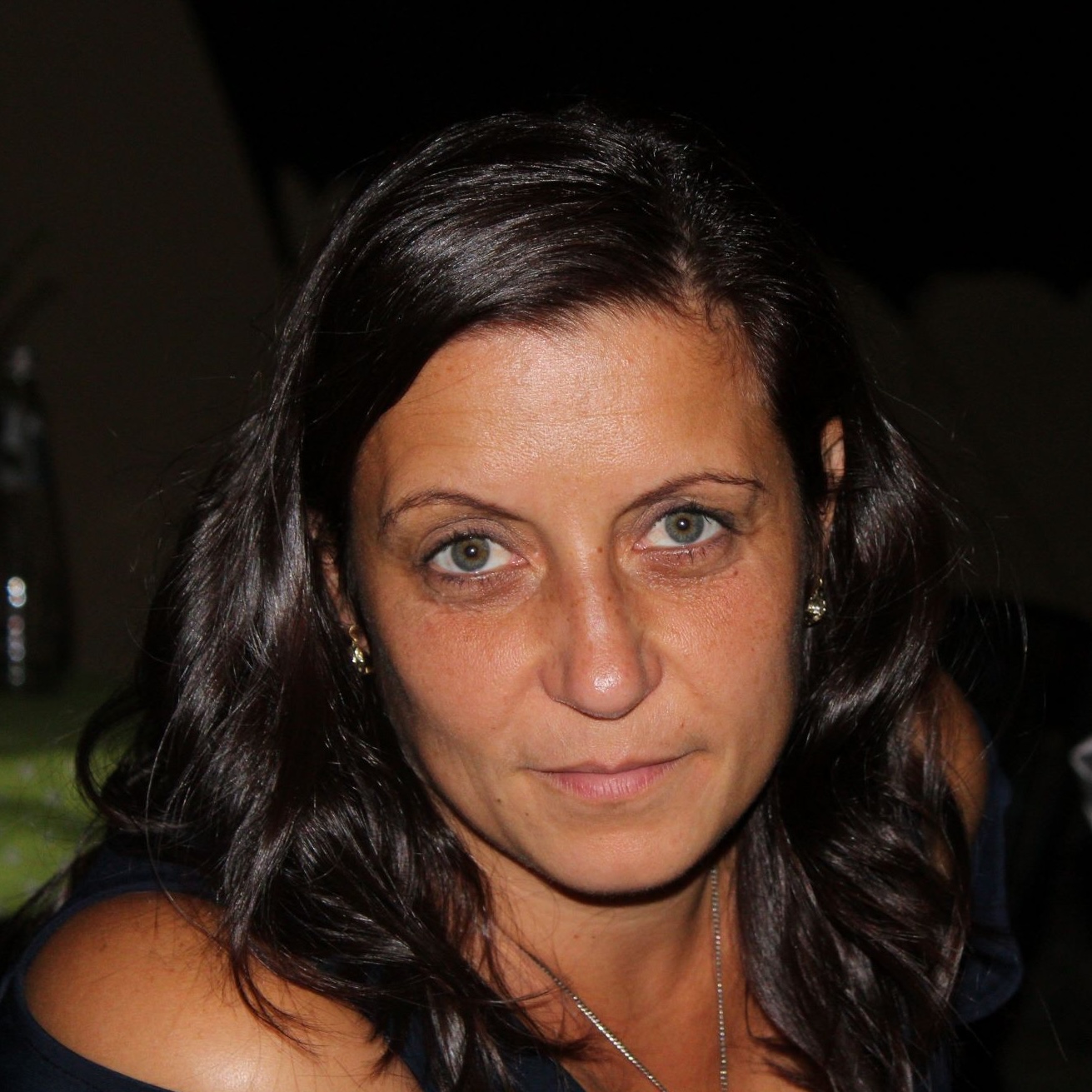
Caterina Minelli, Ph.D.
Science Area Leader
leads NPL’s metrology research for development and manufacturing of nanomedicines
NPL
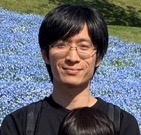
Tadahaya Mizuno, Ph.D.
Assistant Professor,
University of Tokyo and Institute of Statistical Mathematics, Japan

Madhu Nag, Ph.D.
Chief Scientific Officer,
InSphero, Switzerland
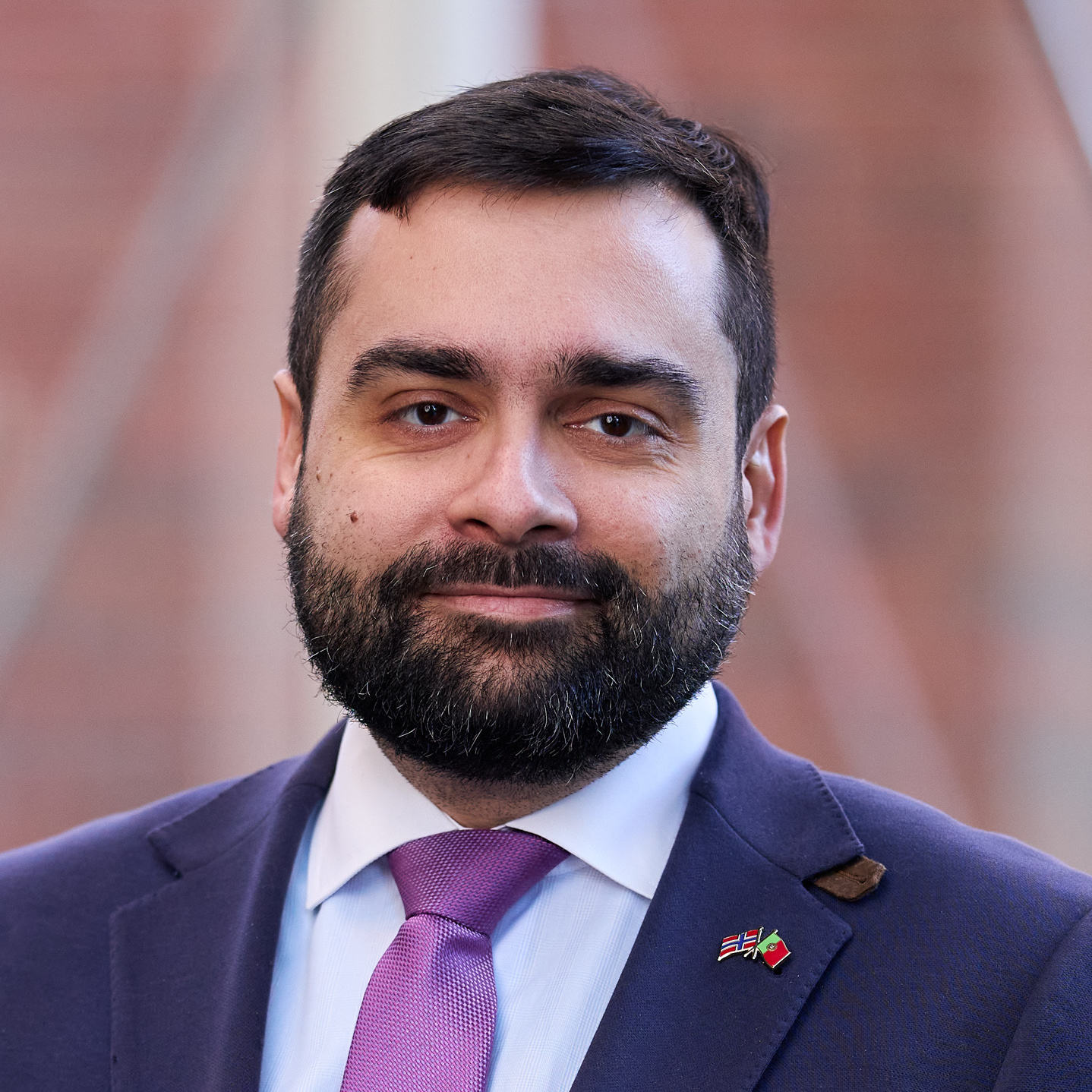
Carlos das Neves, Ph.D.
Chief Scientist
European Food Safety Authority (EFSA)

Grzegorz (Greg) Podrygajlo, Ph.D.
Director and Head of Global Manufacturing Site Support,
Regulatory Affairs CMC for Biologics at CSL

Hubert Rauscher, Ph.D.
Team Leader
European Commission, Joint Research Centre
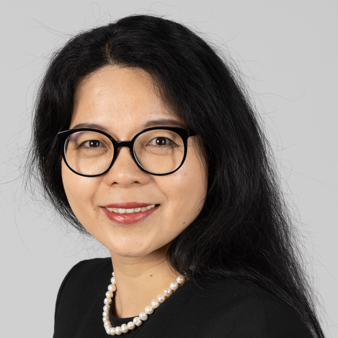
Lixian Schmid, Ph.D.
Automation/AI Projects Lead,
Subject Matter Expert in Global Regulatory Affairs CMC at CSL
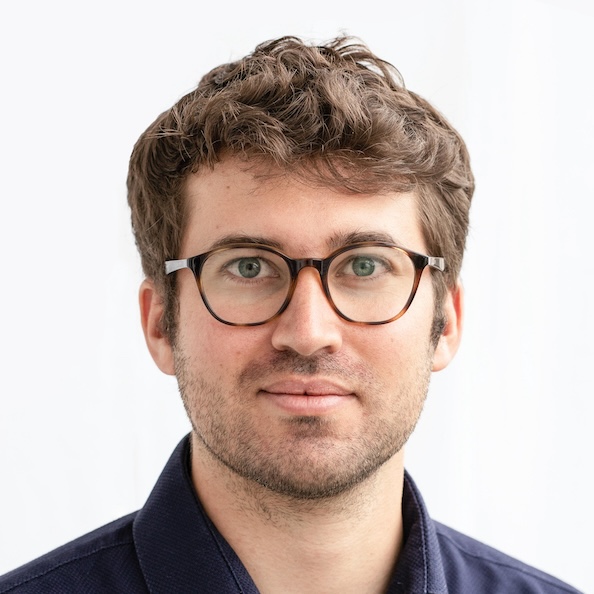
Philippe Schwaller, Ph.D.
Assistant Professor,
Laboratory of Artificial Chemical Intelligence (LIAC),
EPFL, Switzerland
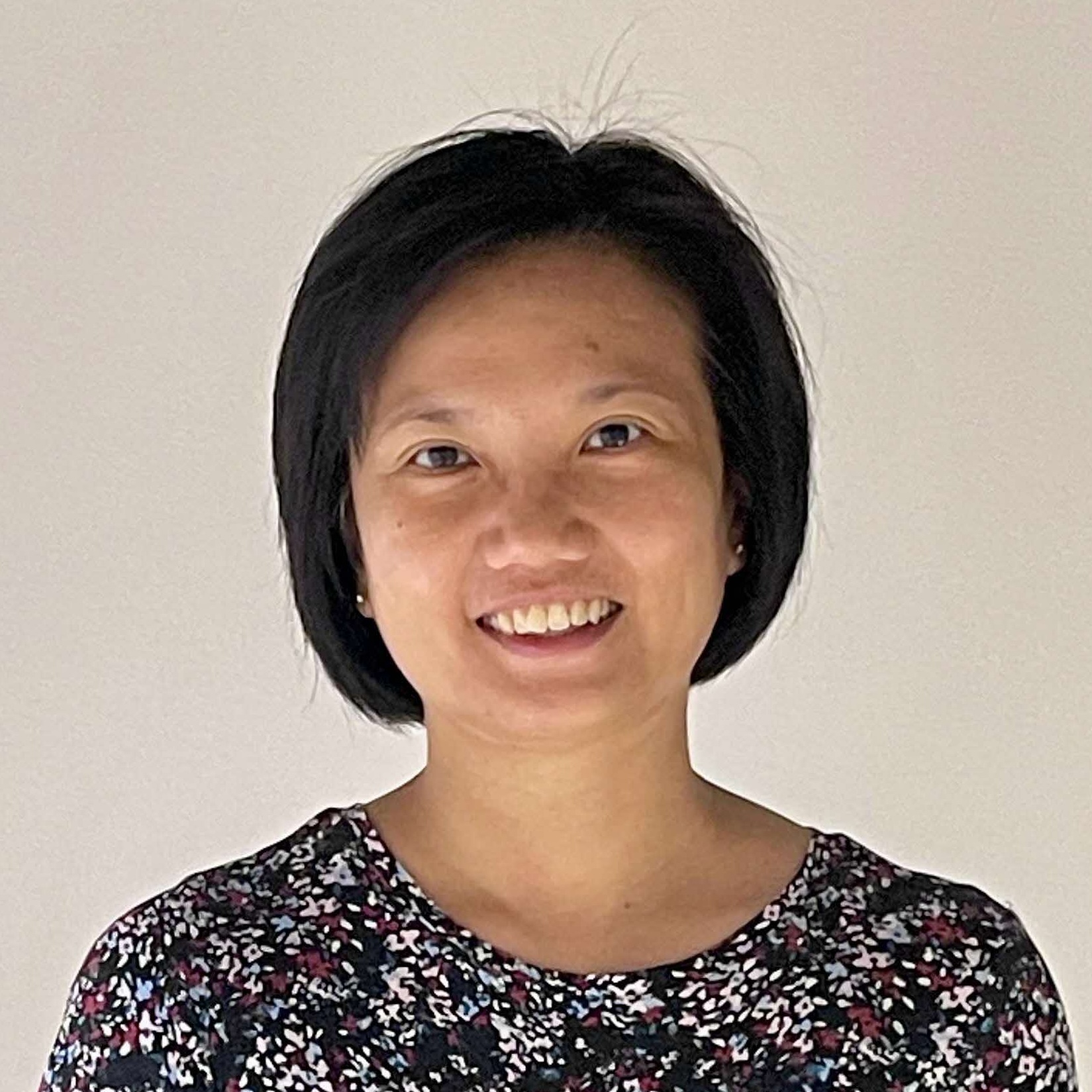
Zhan Yuin Ong, Ph.D.
Branch Head,
Applied Research & Collaboration | Research and Exposure Science,
National Centre for Food Science,
Singapore Food Agency
(SFA, SG)

Supriya Sharma, Ph.D.
Chief Medical Advisor
Health Canada
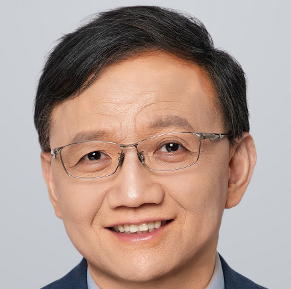
Leming Shi, Ph.D.
Professor, School of Life Sciences and Shanghai Cancer Center, Fudan University,
Director, International Human Phenome Institutes (Shanghai), China
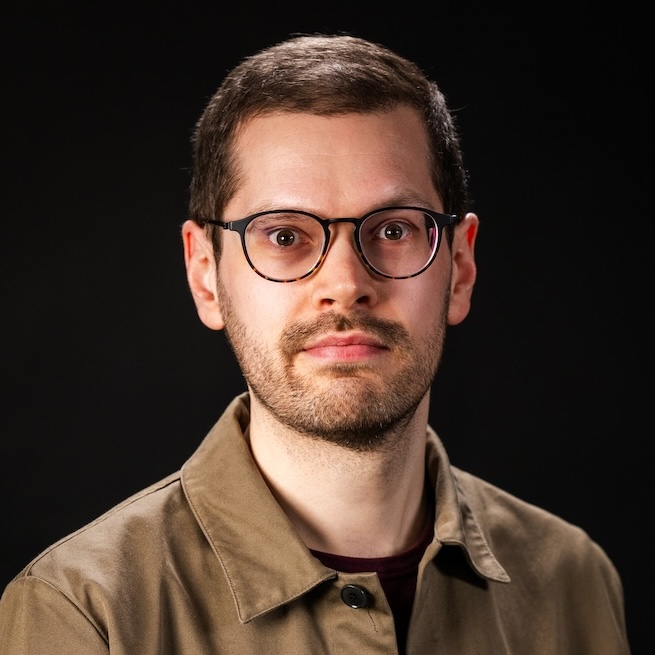
Henric Taavola‑Gustafsson, MSc Eng, Ph.D.
Senior Data Scientist, Uppsala Monitoring Centre
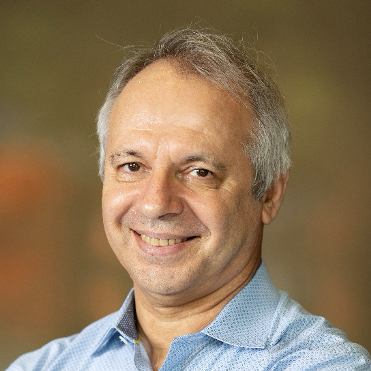
Alexander Tropsha, Ph.D.
K.H. Lee Distinguished Professor at the UNC Eshelman School of Pharmacy
University of North Carolina - Chapel Hill
USA

Didier Verloo, Ph.D.
Head of Knowledge Innovation and Partnership Management Unit (KNOW),
European Food Safety Authority (EFSA)

Anderson da Mota Ribeiro
Chief Data & Analytics Officer (CDAO),
Brazilian Health Regulatory Agency (ANVISA), Brazil

Arianna Bassan
Principal Consultant, Innovatune, Italy
Luigi Calzolai, Ph.D.
Project Leader
Joint Research Centre of the European Commission (EC, JRC)
Tommaso Serchi
Head of the Environmental Health research group (SUSTAIN Unit)
Luxembourg Institute of Science and Technology
Steven Musser, Ph.D.
Associate Commissioner
Human Foods Program
Food and Drug Administration (FDA)
United States
Madhu Nag, Ph.D.
Chief Scientific Officer,
InSphero, Switzerland
Philip Marx-Stoelting, Ph.D.
Scientific Director
Testing and Assessment Strategies Unit
Pesticides Safety Department and the BfR Working Groups
German Federal Institute for Risk Assessment
Ik Hwan Kwon, Ph.D.
Senior Researcher
NanoBio Measurement Group
Korea Research Institute of Standards and Science (KRISS)
Republic of Korea
Guangjun Nie, Ph.D.
Deputy Director
National Center for Nanoscience and Technology
China
Rana Sanyal, Ph.D.
Professor
Bogazici University Center for Targeted Therapy Technologies, Istanbul, TÜRKIYE
RS Research Inc., Teknopark Istanbul, Istanbul, TURKIYE

Kaoru Sato, Ph.D.
Lab Head (Laboratory of Neuropharmaclogy)
National Institute of Health Sciences (NIHS), Japan
Haixia Sui, Ph.D.
Researcher and Deputy Director
Division III of Risk Assessment
China National Center for Food Safety Risk Assessment
Daiju Yamazaki, Ph.D.
Section Chief
Division of Pharmacology
National Institute of Health Sciences (NIHS), Japan

Christian Novello
Associate Consultant
Innovatune, Italy

Ying Huang, Ph.D.
Deputy Chief
Division I of Toxicology
National Institutes for Drug Control (NIDC), China
Michiho Ito, Ph.D.
Head
Division of Pharmacognosy
Phytochemistry and Narcotics
National Institute of Health Sciences (NIHS), Japan
Lixing Nie, Ph.D.
Research Fellow
Division of Natural Medicines
National Institutes for Drug Control (NIDC), China
Zhen Song, Ph.D.
Director
Institute of Intelligent Systems and Application Innovation
Peng Cheng Laboratory, China
Hairuo Wen, Ph.D.
Deputy Chief
Division II of Toxicology
National Institutes for Drug Control (NIDC), China

Zengjun Xu, MD,Ph.D.
Founder and CEO
Axter Therapeutics
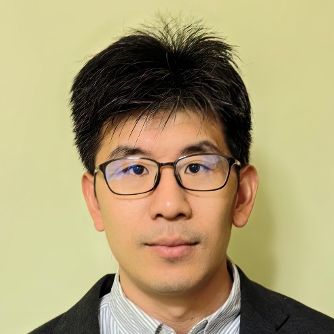
Hui Yang, Ph.D.
Deputy Director
Toxicology Laboratory, China National Center for Food Safety Risk Assessment (CFSA)
Deputy Director
Key Laboratory of Food Safety Risk Assessment
National Health Commission (NHC) of the People’s Republic of China
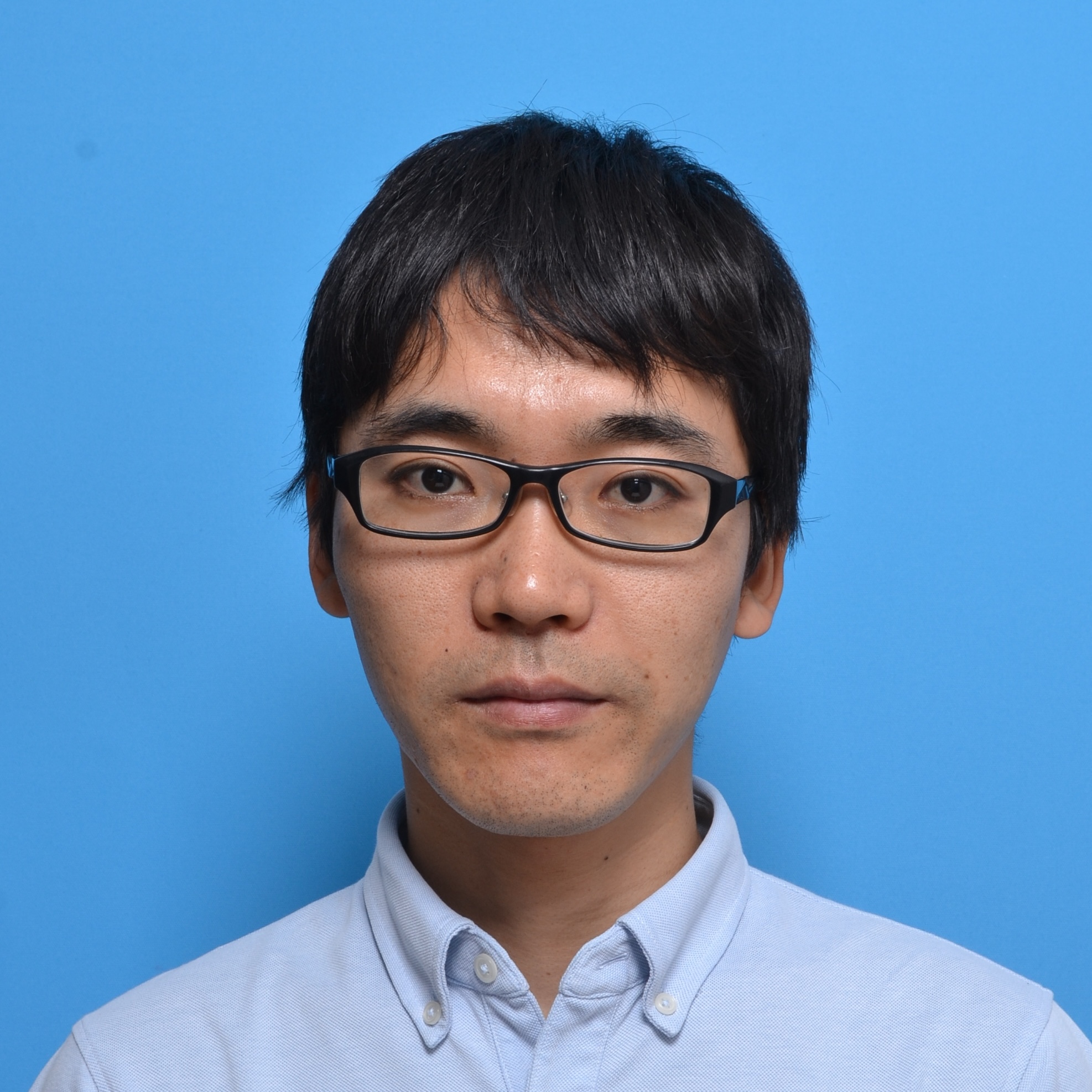
Tokuyuki Yoshida, Ph.D.
Section Chief
Section II, Division of Molecular Target and Gene Therapy Products
National Institute of Health Sciences (NIHS), Japan
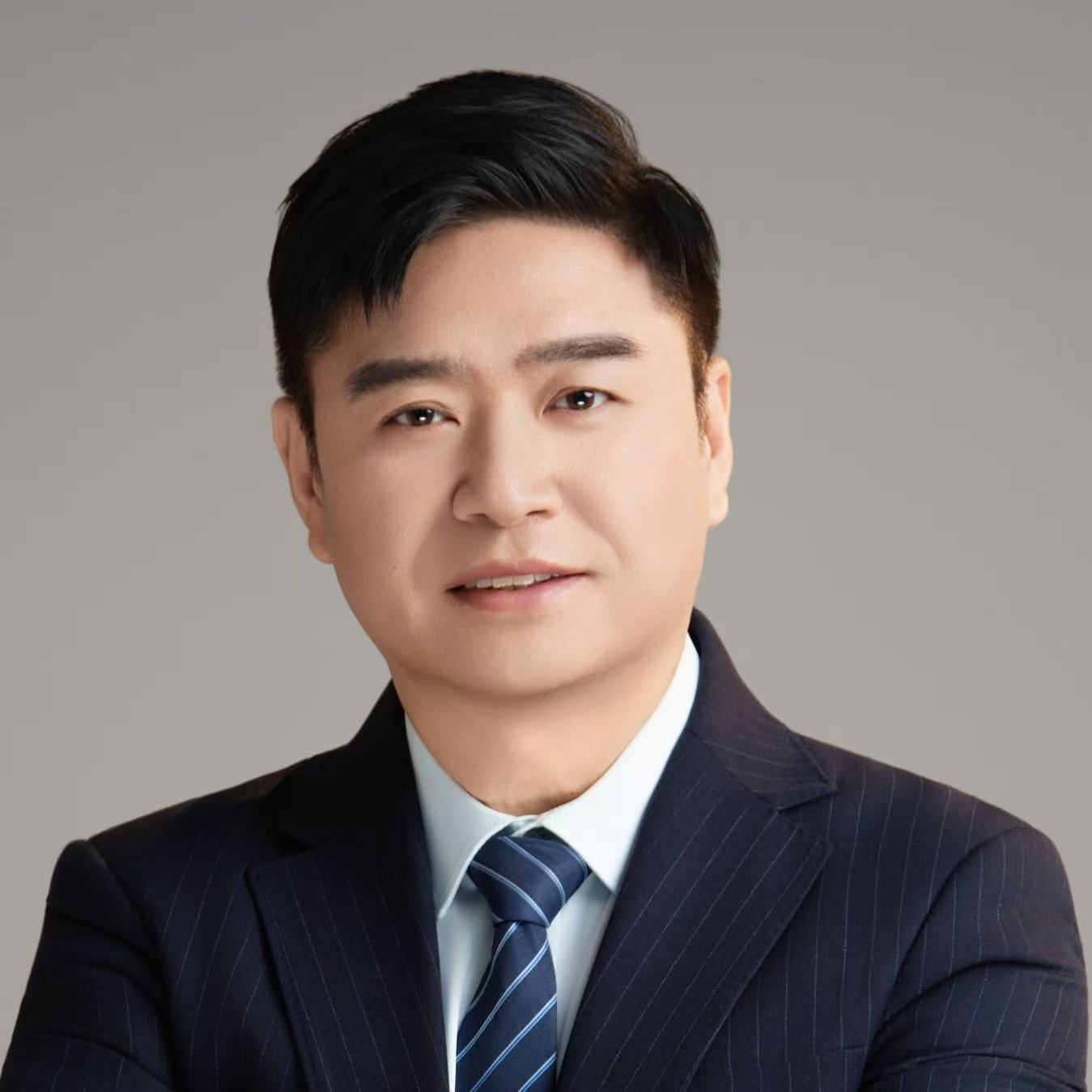
Yongbin Zhang, DVM, Ph.D.
Vice President & Gloabal Head of Toxicology
Wuxi AppTec
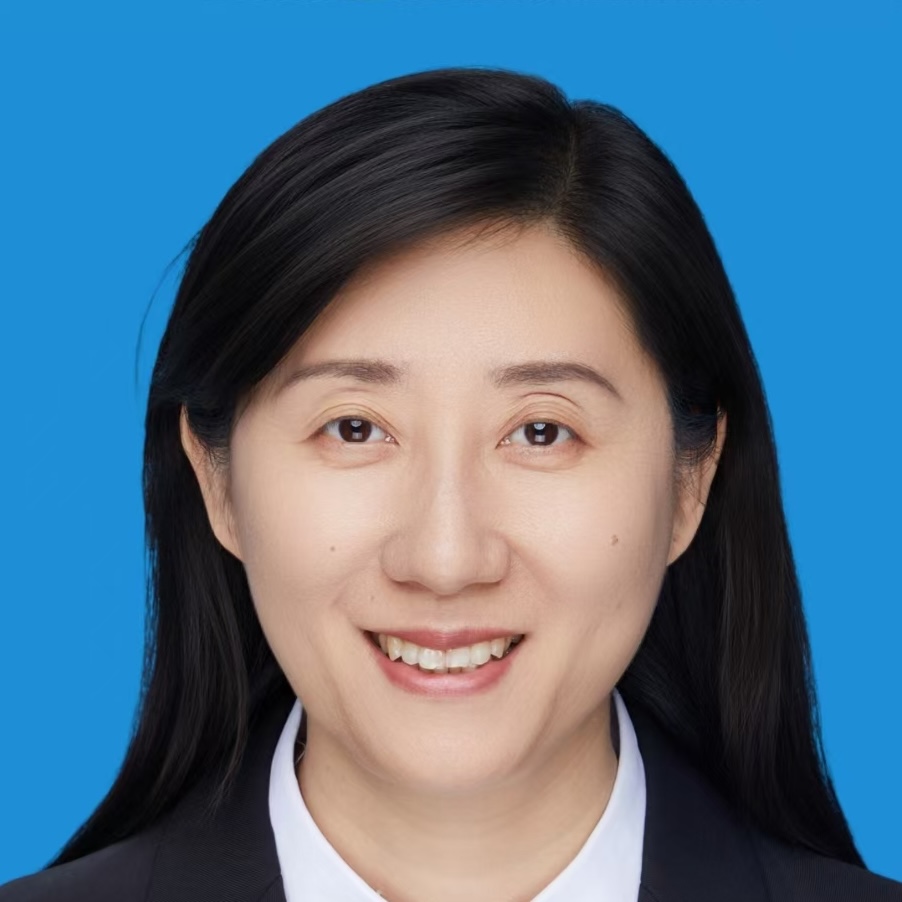
Xiaobing Zhou, Ph.D.
Deputy Director
Institute for Safety Evaluation
National Institutes for Drug Control (NIDC), China

Paul Whaley, Ph.D.
Editor-in-Chief
Evidence-Based Toxicology Collaboration
Prof. Maurice Whelan, Ph.D.
Deputy Director for Health and Food,
Head of the Systems Toxicology Unit,
European Commission Joint Research Centre (EC-JRC), EU
Clemens Wittwehr
European Commission,
Joint Research Centre (JRC), EU
Russ Wolfinger, Ph.D.
Director of Scientific Discovery and Genomics
JMP Statistical Discovery
SAS Institute Inc

Leihong Wu, Ph.D.
Research Scientist, Division of Bioinformatics and Biostatistics, National Center for Toxicological Research,
US FDA, USA
Xiaohui Fan, Ph.D.
Qiushi Distinguished Professor, Director
Innovation Center of Yangtze River Delta, College of Pharmaceutical Sciences,
Zhejiang University (CN)
Joshua Xu, Ph. D.
Branch Chief for for Research-to-Review and Return (R2R) at the Division of Bioinformatics and Biostatistics (DBB)
National Center for Toxicological Research (NCTR)
U.S. Food and Drug Administration (FDA)
Not in a specific order
Click the picture to find more info about the speaker

Robert M. Califf, Ph.D.
Commissioner
U.S. Food and Drug Administration (FDA)
Tucker Patterson, Ph.D.
Director of National Center for Toxicological Research (NCTR)
U.S. Food and Drug Administration (FDA)

Sonja Beken, Ph.D.
Chair of the CVMP/CHMP Joint
3Rs Working Party (3RsWP)
European Medicines Agency (EMA)
Mounir Bouhifd, Ph.D.
Regulatory Officer
European Chemicals Agency (ECHA)

Catherine Carrillo Ph.D.
Section Head of Pathogen Genomics
Ottawa Laboratory
Canadian Food Inspection Agency

James Chan, Ph.D.
Junior Principal Investigator
A*STAR
Singapore Institute of Food and Biotechnology Innovation

Djork-Arné Clevert
Head of Machine Learning Research
Pfizer Research
Germany
Francesco Cubadda, Ph.D.
Senior Scientist and Team Leader
Istituto Superiore di Sanità - Italian National Institute of Health (ISS, Italy)
Jean Lou Dorne, Ph.D.
Senior Scientific Officer in Toxicology
European Food Safety Authority (EFSA)
Pierre Eftekhari, Ph.D.
Founder of Inoviem Scientific

Hong Fang, Ph.D.
Senior Health Information Scientist
National Center for Toxicological Research (NCTR)
U.S. Food and Drug Administration (FDA)

Suzanne Fitzpatrick, Ph.D.
Senior Advisor for Toxicology
U.S. Food and Drug Administration (FDA)
Justin Gorham, Ph.D.
Group Leader and Research Chemist
National Institute of Standards and Technology (NIST, US)

Todd Gouin, Ph.D.
Author/ Independent Scientist
TG Environmental Research (UK)
Claudius Griesinger, Ph.D.
Member of the Leadership Team of the JRC’s project portfolio on “Innovation in Life and Health Sciences
European Commission Joint Research Centre (EC, JRC)
Thomas Hartung, M.D./Ph.D.
Chair for Evidence-based Toxicology
Center for Alternatives to Animal Testing (CAAT)
Johns Hopkins Bloomberg School of Public Health
Maryland, USA
Yoko Hirabayashi, Ph.D.
Director of the Center for Biological Safety Research (CBSR)
National Institute of Health Sciences (NIHS, JP)

Suzanne Hoffmann, Ph.D.
Teamleader in the nano biotechnology laboratory
European Commission Joint Research Centre (EC, JRC)
Masamitsu Honma, Ph.D.
Director Grneral of
National Institute of Health Sciences (NIHS, JP)
Kristi Muldoon-Jacobs, Ph.D.
Acting Director of the Office of Food Additive Safety (OFAS)
U.S. Food and Drug Administration (FDA)

Ákos Bernard Jóźwiak, Ph.D.
Head of Department of Digital Food Science at the Institute of Food Chain Science
University of Veterinary Medicine Budapest (HU)

Masato Kiyoshi, Ph. D.
National Institute of Health Sciences (NIHS, JP)
Nicole Kleinstreuer, Ph.D.
Director
NTP Interagency Center for the Evaluation of Alternative Toxicological Methods (NICEATM, US)

Anna Lanzoni, Ph.D.
Senior Scientific Officer & Toxicologist
European Food Safety Authority (EFSA, Italy)
Annamalai Manickavasagan, Ph.D.
Associate Professor at the School of Engineering
University of Guelph, Canada
Bioimaging Research Solutions (CA)

Thomas Margoni, Ph.D.
Research Professor of Intellectual Property Law
the Faculty of Law and Criminology, KU Leuven (BE)
Manuela Mura, Ph.D.
Scientific Officer
European Medicines Agency (EMA)

Yusuke Okubo, Ph.D.
Senior Researcher
National Institute of Health Sciences (NIHS, JP)
Luis Pinheiro, Ph.D.
Senior Epidemiology Expert
EMA, NL
Andrea Valsesia, Ph.D.
Scientific Officer
European Commission Joint Research Centre (EC JRC)

Bob Van der Water Ph.D.
Professor in Drug Safety Sciences
Chair of the Division of Drug Discovery and Safety
Leiden Academic Center for Drug Research
University of Leiden (NL)

Thorsten Vetter, Ph.D.
Clinical Pharmacologist & Senior Scientific Officer
Scientific Advice Office
European Medicines Agency (EMA)
Prof. Mathieu Frederick A Vinken, Ph.D.
Professor
Vrije Universiteit Brussel (VUB, BE)
Prof. Maurice Whelan, Ph.D.
Deputy Director, Health, Consumers and Reference Materials
Head of Unit, Chemical Safety and Alternative Methods
European Commission, Joint Research Centre (EC JRC)
Ispra, Italy

Takashi Yamada, Ph.D.
Section Chief at Division of Risk Assessment
National Institute of Health Sciences (NIHS, JP)
Daiju Yamazaki, Ph.D.
Section Chief of the Division of Pharmacology
National Institute of Health Sciences (NIHS, JP)
Satoshi Yasuda, Ph.D.
Chief at Division of Cell-Based Therapeutic Products
National Institute of Health Sciences (NIHS, JP)
Dingyi Yu, Ph.D.
Chemical Specialist Team Lead of National Centre for Food Science
Singapore Food Agency (SFA, SG)
Junning Zhao Ph.D.
National Medical Products Administration (NMPA, CN)
not in a specific order
Click the picture to find more info about the chairperson
Catherine Carrillo Ph.D.
Section Head of Pathogen Genomics
Ottawa Laboratory
Canadian Food Inspection Agency
Joanne Chan, PhD.
Centre Director of National Centre for Food Science
Singapore Food Agency (SFA, SG)
Guilhem de Seze, Ph.D.
Head of the Risk Assessment Production (ASSESS) Department
European Food Safety Authority (EFSA)
Yoko Hirabayashi, Ph.D.
Director of the Center for Biological Safety Research (CBSR)
National Institute of Health Sciences (NIHS, JP)
Suzanne Hoffmann, Ph.D.
Teamleader in the nano biotechnology laboratory
European Commission Joint Research Centre (EC, JRC)
Sebastian Hoffmann, Ph. D.
Independent Consultant
Evidence-Based Toxicology Collaboration (EBTC) / seh consulting + services
Marta Hugas, Ph.D.
Former Chief Scientist
European Food Safety Authority (EFSA)
George Kass, Ph.D.
Toxicologist
European Food Safety Authority (EFSA, Italy)
Bo Li, Ph.D.
Director General
National Institutes for Food and Drug Control (NIFDC, CN)

Laila Mouawad, Ph. D.
MSc Political Sciences
Coordinator of International Cooperation
ANVISA, Brazil
James Ramsay, Ph. D.
Head of Unit for Communication at the European Food Safety Authority (EFSA)
Heather Schaefer, Ph.D.
toxicologist in the Contaminant Assessment Branch of the Center for Food Safety and Applied Nutrition (CFSAN) US Food and Drug Administration

William Slikker Jr., Ph.D.
Former director of National Center for Toxicological Research (NCTR)
U.S. Food and Drug Administration (FDA)

Birgit Sokull-Kluettgen
Deputy Head of the Technologies for Health Unit (F.2)
European Commission's Joint Research Centre (EC JRC)
Weida Tong, Ph.D.
Chair of Global Coalition of Regulatory Science Research (GCSRS)
Director, Division of Bioinformatics and Biostatistics
National Center for Toxicological Research (NCTR)
U.S. Food and Drug Administration (FDA)

Didier Verloo, Ph.D.
Head of Knowledge Innovation and Partnership management unit
European Food Safety Authority (EFSA, Italy)
Paul Whaley, Ph.D.
Editor-in-Chief
Evidence-Based Toxicology Collaboration
Prof. Maurice Whelan, Ph.D.
Deputy Director, Health, Consumers and Reference Materials
Head of Unit, Chemical Safety and Alternative Methods
European Commission, Joint Research Centre (EC JRC)
Ispra, Italy
Calvin Yeo, Ph.D.
Cell Biologist and Microbiologist
National Centre for Food Science
Singapore Food Agency (SFA, SG)
Tucker A. Patterson, Ph.D.
Director of National Center for Toxicological Research (NCTR)
U.S. Food and Drug Administration (FDA)
Weida Tong, Ph.D.
Chair of Global Coalition of Regulatory Science Research (GCSRS)
Director, Division of Bioinformatics and Biostatistics
National Center for Toxicological Research (NCTR)
U.S. Food and Drug Administration (FDA)
Dr. Weida Tong is the Chair of Global Coalition of Regulatory Science Research (GCSRS). He is working at FDA's National Center for Toxicological Research (NCTR) as a division director for Bioinformatics and Biostatistics.
Michael Renaudin
Lead Swissmedic 4.0
Swissmedic, Swiss agency for therapeutic products
Bern, Switzerland
Michael Renaudin studied social anthropology and later sociology at the University of Bern. He subsequently completed a postgraduate degree in Digital Leadership and earned an MBA. After working in IT, project management and adult education – in both the private and public sectors – he has been with Swissmedic for fifteen years and will remain there until the end of September 2025. Initially responsible for organisational learning and staff development, he is now the head of Swissmedic 4.0, the innovation lab of Swissmedic. In read more...
Regulatory landscape and critical Needs for NAMs in the Hazard assessment of industrial chemicals
NAMs to support the screening, prioritisation and read-across are available, continue to be developed and are used to some extent by regulators around the globe, in line with the legal frameworks and regulatory requirements. There are currently only a few endpoints where full replacement of in vivo studies with non-animal methods has been accepted in a way that is suitable for classification and labelling or to conclude on (no)hazard. This presentation will discuss the critical needs for moving towards an animal free system for hazard assessment for industrial chemicals, in line with the regulatory requirements in Eur read more...
Philipp Weyermann, Ph.D.
Head of Unit,
Regulatory Assessment 2,
Swissmedic, Switzerland
Philipp Weyermann is a team leader in the Regulatory Assessment division at Swissmedic, the Swiss therapeutic products agency. His role includes responsibility for substance management and the substance database. Philipp is a long time member in several international standardisation bodies, including the Global Identification of Medicinal Products (IDMP) Working Group (GIDWG) and the IDMP Working Group under the International Pharmaceutical Regulators Programme (IPRF). He is a chemist by training with a Msc from the University read more...
Elisabeth Klenke, Ph.D.
Preclinical reviewer and GLP inspector,
Swissmedic, Switzerland
PDr. Elisabeth Klenke joined Swissmedic in 2006 as a preclinical reviewer and GLP inspector. Prior to this, she held positions as a study director at a contract research organization (CRO), overseeing toxicological studies, and worked in the field of regulatory affairs. She has been a registered European Toxicologist (ERT) since 2007. Since 2011, she has served as Head of the Division for Nonclinical Assessment and the GLP Inspectorate and was appointed Vice Chair of the International Medicines Regulators’ Working Group on 3Rs read more...
Wenjun Bao, Ph.D.
Chief Scientist and Director of Advanced Analytics R&D
JMP Statistical Discovery
SAS Institute Inc
Prof. Maurice Whelan is Deputy Director of the Directorate for Health and Food and head of the Systems Toxicology Unit at the European Commission's Joint Research Centre (JRC) based in Ispra, Italy. He also heads the JRC's EU Reference Laboratory for alternatives to animal testing (EURL ECVAM). Maurice is the EU co-chair of the OECD Advisory Group on Emerging Science for Chemicals Assessment (ESCA); a member of the Steering Committee of the European Partnership for Alternative Approaches to Animal Testing (EPAA); and chair of read more...
Angela Bearth, Ph.D.
HF Partners
Angela Bearth holds a degree in Social and Health Psychology from the University of Zurich and a PhD in Risk Research. For ten years, she worked in the Consumer Behavior group at the Federal Institute of Technology (ETH Zurich). She is founder and CEO of the private research company HF Partners and is currently employed as the senior social scientist at the Swiss Centre for Applied Human Toxicology at the University of Basel. Over the years, she has initiated several projects focused on chemical and technological risks, stakeh read more...
Billy Amzal
Head of Strategic Consulting
Phastar
Prof. Maurice Whelan is Deputy Director of the Directorate for Health and Food and head of the Systems Toxicology Unit at the European Commission's Joint Research Centre (JRC) based in Ispra, Italy. He also heads the JRC's EU Reference Laboratory for alternatives to animal testing (EURL ECVAM). Maurice is the EU co-chair of the OECD Advisory Group on Emerging Science for Chemicals Assessment (ESCA); a member of the Steering Committee of the European Partnership for Alternative Approaches to Animal Testing (EPAA); and chair of read more...
Diane J. Burgess, Ph.D.
Distinguished Professor
Pfizer Distinguished Chair in Pharmaceutical Technology
UConn, USA
B.Sc. Pharmacy, University of Strathclyde (1979) and Ph.D. Pharmaceutics, University of London (1984). Fellow of AAPS, CRS, APSTJ, AIMBE and NAI. 2010 CRS President; 2002 AAPS President. Editor of IJP (2009 – 2018). Editorial board 14 international journals. 2024 NIPTE Grant Distinguished Scholar; 2023 AAPS Advancement of Women in Pharmaceutical Sciences; 2023 UConn AAUP Marth Mentorship Award; 2018 AAPS Wurster Award; 2014 AAPS Research Achievement Award; 2014 AAPS Outstanding Educator Award; 2014 CRS Distinguished Service Aw read more...
Claudius Griesinger, Ph.D.
Member of the Leadership Team of the JRC’s project portfolio on “Innovation in Life and Health Sciences
European Commission Joint Research Centre (EC, JRC)
Claudius Griesinger has been working for the European Commission’s Joint Research Centre (JRC) since 2006. He worked on biomedical testing methods, contributing to OECD guidelines and coordinating expert advice and stakeholder dialogue. From 2015 to 2022 he was responsible for the JRC’s contribution to the implementation of the EU’s medical devices/in vitro diagnostics regulations, focusing on signal detection, emerging technologies including artificial intelligence (AI) and setting up expert panels on high-risk devices, now m read more...
Luigi Calzolai, Ph.D.
Project Leader
Joint Research Centre of the European Commission
Dr. Calzolai has a MS (University of Florence) and PhD (University of Siena) in chemistry. After a Postgraduate Research at the University of California, Davis, he joined, in 1998, the Swiss Institute of Technology in Zurich, in the laboratory of the then Nobel laureate Kurth Wuthrich, where he determined the three dimensional structure of prion proteins responsible of neurological disorders, such as Mad Cow Disease. In 2007, he moved to the University of Kent (UK) as Senior Lecturer in biochemistry. In 2008, he joined the Jo read more...
Irene Cattaneo, MSc.
Scientific Officer
European Food Safety Authority (EFSA)
Irene Cattaneo is a Scientific Officer at the European Food Safety Authority (EFSA), in the Methodology and Scientific Support (MESE) Unit. Irene graduated in Pharmaceutical Chemistry and Technology at the University of Milan (Italy) and did her thesis on Neurotoxicology. She is involved in several scientific activities relating to EFSA’s Scientific Committee in the area of chemical risk assessment. She is currently coordinating the EFSA Working Group on Particle Risk Assessment - subgroup Advice, and she is also involved in o read more...
Tammy Collins, Ph.D.
Program Officer
Burroughs Wellcome Fund (BWF, US)
In 2022, Dr. Tammy Collins joined the Burroughs Wellcome Fund (BWF), a nonprofit philanthropic organization whose mission is to improve human health. At BWF, Dr. Collins serves as a Program Officer where she directs the Career Awards at the Scientific Interface (CASI) program and the Innovations in Regulatory Science Awards (IRSA). She serves on the US National Academies of Science, Engineering, and Medicine’s (NASEM) Forum on Drug Discovery, Development, & Translation as well as NASEM’s Forum on Regenerative Medicine. Prio read more...
Innovation in Regulatory Science Awards at Burroughs Wellcome Fund —Preview of the Latest Technologies and Progress Towards Equitable Clinical Outcomes
The process of translating biomedical discoveries into new therapies has become increasingly complex in light of evolving science and technology, and requires that the science of regulation keep up with the advances in biomedical science and technology. Furthermore, there is heightened attention on the health disparities faced by minoritized individuals. These disparities could be partly addressed by attending to the role of regulatory science in ensuring that the safety and efficacy of new (and old) therapeutics and technologies are examined in individuals from diverse ancestral backgrounds, with the goal of advancin read more...
Emmanuel Cormier, Ph.D.
Head of Regulatory Science and Innovation Task Force
European Medicines Agency
Netherlands
With close to 25 years of leadership experience in all phases of drug and vaccine development, I have been privileged to live and work around the world, developing a global mindset as well as a flexible and creative approach to problem solving. My experience is cross-functional (Discovery, CMC, Clinical development and operation, regulatory science) and cross-sectorial in both Pharm and Medical Devices. Throughout my career, I have strived to establish strong and fit-for-purpose collaborations with a broad spectrum of part read more...
Thomas Hartung, M.D./Ph.D.
Chair for Evidence-based Toxicology
Center for Alternatives to Animal Testing (CAAT)
Johns Hopkins Bloomberg School of Public Health
Maryland, USA
Thomas Hartung, MD PhD, is the Doerenkamp-Zbinden-Chair for Evidence-based Toxicology in the Department of Environmental Health and Engineering at Johns Hopkins Bloomberg School of Public Health, Baltimore, with a joint appointment at the Whiting School of Engineering. He also holds a joint appointment for Molecular Microbiology and Immunology at the Bloomberg School. He is adjunct affiliate professor at Georgetown University, Washington D.C.. In addition, he holds a joint appointment as Professor for Pharmacology and Toxicolo read more...
Cesare Furlanello
Director of the "Lifescience Innovation Good Healthcare Technology -LIGHT” Center
Founder at HK3 Lab
Brescia, Italy
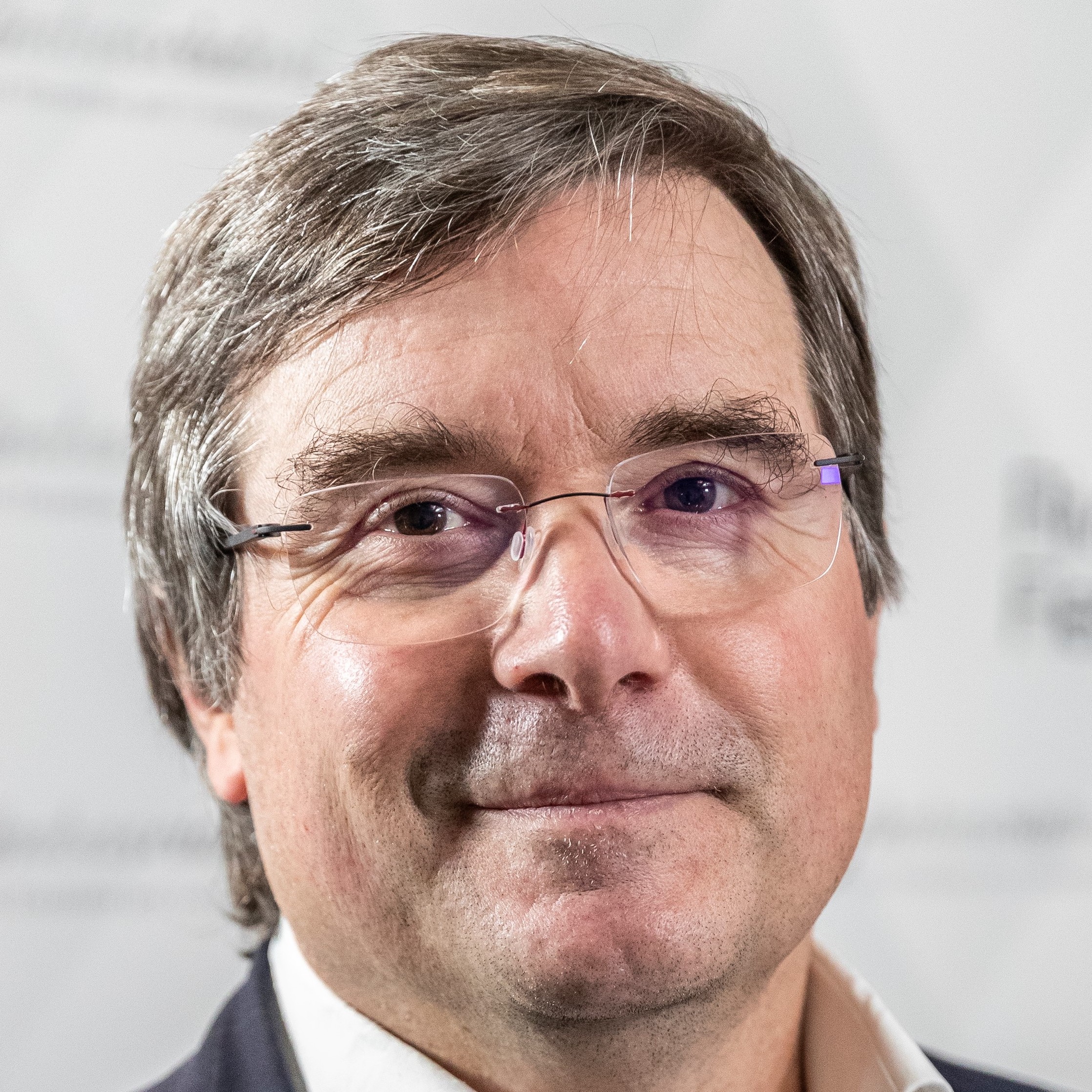
Cesare Furlanello is an expert in Machine Learning, predictive models, and reproducibility of AI; since June 2023, he is Director of the "Lifescience Innovation Good Healthcare Technology -LIGHT" Center in Brescia, Italy. Former Director of Data Science and Head of the Predictive Models for Biomedical & Environmental Data research Unit at Fondazione Bruno Kessler - FBK (Trento, Italy). National habilitation as full professor in Biomedical Engineering. Adjunct faculty at Wistar Institute (Philadelphia, USA). Editorial board mem read more...
Quality attributes and standards for mRNA-based and Lipid-based therapeutics
Quality attributes and standards for mRNA-based and Lipid-based therapeutics RNA and lipid-based therapeutics have emerged as a promising avenue for the treatment of various diseases. mRNA-based vaccines were the most utilized COVID-19 vaccines in Europe and USA; they were developed extremely fast, thus saving thousands of lives. They use lipid nanoparticles to protect the mRNA cargo. In addition to vaccines against infectious diseases RNA therapeutics are being developed in several therapeutic areas: cancer therapy, rare diseases, neuroscience. The characterization of these nanomedicines is challenging due to their in read more...
Philippe Girard, Ph.D.
Deputy Executive Director
Swissmedic
Switzerland
Cesare Furlanello is an expert in Machine Learning, predictive models, and reproducibility of AI; since June 2023, he is Director of the "Lifescience Innovation Good Healthcare Technology -LIGHT" Center in Brescia, Italy. Former Director of Data Science and Head of the Predictive Models for Biomedical & Environmental Data research Unit at Fondazione Bruno Kessler - FBK (Trento, Italy). National habilitation as full professor in Biomedical Engineering. Adjunct faculty at Wistar Institute (Philadelphia, USA). Editorial board mem read more...
Quality attributes and standards for mRNA-based and Lipid-based therapeutics
Quality attributes and standards for mRNA-based and Lipid-based therapeutics RNA and lipid-based therapeutics have emerged as a promising avenue for the treatment of various diseases. mRNA-based vaccines were the most utilized COVID-19 vaccines in Europe and USA; they were developed extremely fast, thus saving thousands of lives. They use lipid nanoparticles to protect the mRNA cargo. In addition to vaccines against infectious diseases RNA therapeutics are being developed in several therapeutic areas: cancer therapy, rare diseases, neuroscience. The characterization of these nanomedicines is challenging due to their in read more...
Mar Gonzalez, Ph.D.
OECD Secretariat
Working Group on Chemical Accidents
Mar Gonzalez joined the Organisation for Economic Co-operation and Development (OECD) in 2004. Throughout her tenure, she has taken on numerous responsibilities related to safety and risk assessment, as well as the international harmonisation of regulations concerning chemicals and modern biotechnology products. Her involvement spans various technical programmes, including biosafety, the safety of novel foods and feeds, chemical accident prevention, preparedness and response, nanomaterials, and the development of test guidelin read more...
Quality attributes and standards for mRNA-based and Lipid-based therapeutics
Quality attributes and standards for mRNA-based and Lipid-based therapeutics RNA and lipid-based therapeutics have emerged as a promising avenue for the treatment of various diseases. mRNA-based vaccines were the most utilized COVID-19 vaccines in Europe and USA; they were developed extremely fast, thus saving thousands of lives. They use lipid nanoparticles to protect the mRNA cargo. In addition to vaccines against infectious diseases RNA therapeutics are being developed in several therapeutic areas: cancer therapy, rare diseases, neuroscience. The characterization of these nanomedicines is challenging due to their in read more...
Federico Goodsaid
SVP Regulatory, Ariana Pharma
Prof. Maurice Whelan is Deputy Director of the Directorate for Health and Food and head of the Systems Toxicology Unit at the European Commission's Joint Research Centre (JRC) based in Ispra, Italy. He also heads the JRC's EU Reference Laboratory for alternatives to animal testing (EURL ECVAM). Maurice is the EU co-chair of the OECD Advisory Group on Emerging Science for Chemicals Assessment (ESCA); a member of the Steering Committee of the European Partnership for Alternative Approaches to Animal Testing (EPAA); and chair of read more...
Andrea Haase, Ph.D.
Head of the Unit “Fibre and Nanoparticle Toxicology”
& Deputy Department Head of the Department "Chemical and Product Safety”
German Federal Institute for Risk Assessment (BfR, DE)
Andrea Haase studied biochemistry at the University of Tübingen, obtained a PhD from the University of Heidelberg, finished a postgraduate study in Toxicology at the University of Leipzig and completed her habilitation in pharmacology and toxicology at the Freie Universität Berlin. Since 2008 she is working at the German Federal Institute for Risk Assessment (BfR) in Berlin, where she is the Unit Head of the “Fibre and Nanotoxicology” Unit and the Deputy Department Head of the “Chemical and Product Safety” department. Her rese read more...
Yuki Haraya, Ph.D.
Section Chief
Division of Biochemistry
National Institute of Health Sciences
Japan
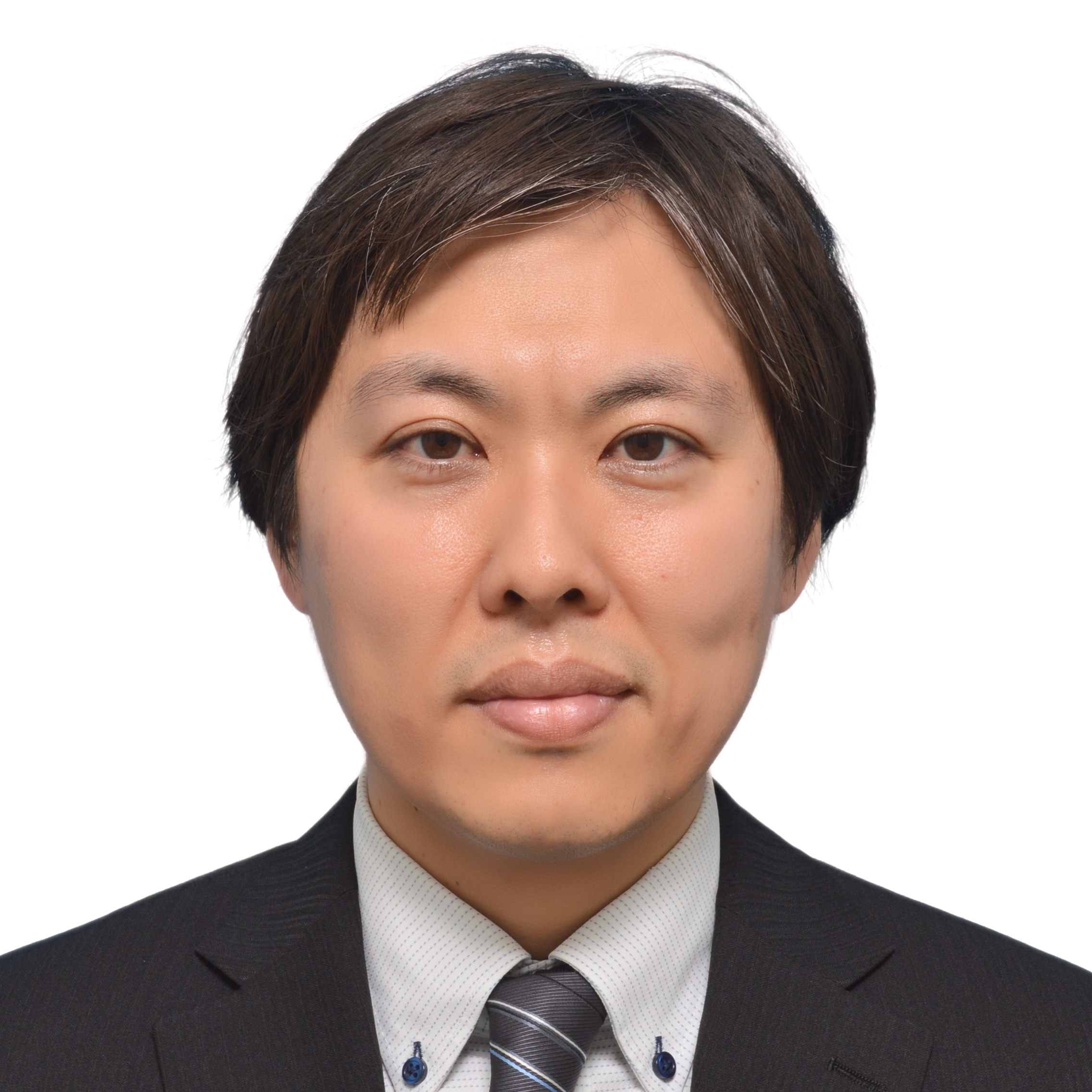
Dr. Yuki Haraya is Section Chief in the Department of Biochemistry at the National Institute of Health Sciences (NIHS), Japan. He earned his Ph.D. in Pharmaceutical Sciences from Tokushima University (Japan) in 2015. His career has included roles as Assistant Professor at Himeji Dokkyo University, Research Scientist and Senior Scientist at NIHS, and Uehara Memorial Foundation Research Fellow at the U.S. National Institutes of Health, where he also served as Visiting Researcher at American University. He currently leads regulat read more...
Alexander Horst
Data Scientist
Veanu
Switzerland
Alexander Horst, Data Scientist at veanu, works alongside a dedicated team to support the shift from black-box AI systems to transparent, open-source tools for regulatory use. Drawing on his experience at a regulatory body and his background in digital health, he brings a perspective that connects technical development with practical policy needs. At GSRS25, Alexander will share Veanu's vision in a talk titled “From Closed Source to Open Source – Why Transparency is the Future of Regulatory AI.” The presentation will explore h read more...
Michael Johnston, Ph.D.
Principle investigator
Nanomedicines Laboratory
Centre for Oncology, Radiopharmaceuticals and Research, Biologic and Radiopharmaceutical Drugs Directorate
Health Canada
Dr. Johnston’s has over 20 years experience in the formulation of liposomes and lipid nanoparticles (LNP) and is a research scientist within Health Canada. He and his laboratory’s current focus is on the development of model LNP vaccines as a tool for regulatory improvement of these products. Dr. Johnston also heads the Health Products and Food Branches nanotechnology working group, previously co-chaired the International Pharmaceutical Regulators Forum Nanomecidines working group and is a member of the Government of Canada’s read more...
Development of prototype LNP vaccines for Lyme disease
The emergence of COVID-19 and the success of lipid nanoparticle based mRNA vaccines to blunt the pandemic suggest that LNP systems will become a new modality in the prevention of numerous diseases of public health concern. For instance in North America and other regions, the increase in the incidence of Lyme disease (LD) and the current lack of a human vaccine suggests that LNP vaccines to protect against LD will be developed in short order. To prepare the regulatory challenges of these systems, research laboratories within Health Canada’s Centre for Oncology, Radiopharmaceuticals and Research are developing functional read more...
Predrag Kukic, Ph.D.
Computational Science Leader
Safety, Environmental and Regulatory Science (SERS)
Unilever
Predrag Kukic earned his PhD specialising in the application of AI to protein structure prediction. Previously, he worked on target identification projects for neurodegenerative diseases. Since 2017, he has been part of the multidisciplinary scientific team at SERS, Unilever, which plays a key role in ensuring that Unilever’s innovations are designed to be both safe and environmentally sustainable, without relying on animal testing. Predrag currently leads capability development in the Human Systemic area at SERS and provides read more...
Quality attributes and standards for mRNA-based and Lipid-based therapeutics
Quality attributes and standards for mRNA-based and Lipid-based therapeutics RNA and lipid-based therapeutics have emerged as a promising avenue for the treatment of various diseases. mRNA-based vaccines were the most utilized COVID-19 vaccines in Europe and USA; they were developed extremely fast, thus saving thousands of lives. They use lipid nanoparticles to protect the mRNA cargo. In addition to vaccines against infectious diseases RNA therapeutics are being developed in several therapeutic areas: cancer therapy, rare diseases, neuroscience. The characterization of these nanomedicines is challenging due to their in read more...
Megan LaFollette, Ph.D.
Executive Director
The 3Rs Collaborative
Predrag Kukic earned his PhD specialising in the application of AI to protein structure prediction. Previously, he worked on target identification projects for neurodegenerative diseases. Since 2017, he has been part of the multidisciplinary scientific team at SERS, Unilever, which plays a key role in ensuring that Unilever’s innovations are designed to be both safe and environmentally sustainable, without relying on animal testing. Predrag currently leads capability development in the Human Systemic area at SERS and provides read more...
Quality attributes and standards for mRNA-based and Lipid-based therapeutics
Quality attributes and standards for mRNA-based and Lipid-based therapeutics RNA and lipid-based therapeutics have emerged as a promising avenue for the treatment of various diseases. mRNA-based vaccines were the most utilized COVID-19 vaccines in Europe and USA; they were developed extremely fast, thus saving thousands of lives. They use lipid nanoparticles to protect the mRNA cargo. In addition to vaccines against infectious diseases RNA therapeutics are being developed in several therapeutic areas: cancer therapy, rare diseases, neuroscience. The characterization of these nanomedicines is challenging due to their in read more...
Dongying Li, Ph.D.
Research Scientist, National Center for Toxicological Research (NCTR)
U.S. Food and Drug Administration (FDA)
Prof. Maurice Whelan is Deputy Director of the Directorate for Health and Food and head of the Systems Toxicology Unit at the European Commission's Joint Research Centre (JRC) based in Ispra, Italy. He also heads the JRC's EU Reference Laboratory for alternatives to animal testing (EURL ECVAM). Maurice is the EU co-chair of the OECD Advisory Group on Emerging Science for Chemicals Assessment (ESCA); a member of the Steering Committee of the European Partnership for Alternative Approaches to Animal Testing (EPAA); and chair of read more...
Thomas Luechtefeld, Ph.D.
CEO
Insilica
Maryland, USA
Thomas Hartung, MD PhD, is the Doerenkamp-Zbinden-Chair for Evidence-based Toxicology in the Department of Environmental Health and Engineering at Johns Hopkins Bloomberg School of Public Health, Baltimore, with a joint appointment at the Whiting School of Engineering. He also holds a joint appointment for Molecular Microbiology and Immunology at the Bloomberg School. He is adjunct affiliate professor at Georgetown University, Washington D.C.. In addition, he holds a joint appointment as Professor for Pharmacology and Toxicolo read more...
Gro Haarklou Mathisen, Ph.D.
Senior Advisor/Project Manager
Norwegian Scientific Committee for Food and Environment (VKM)
Gro Haarklou Mathisen is a Senior Advisor at the Norwegian Scientific Committee for Food and Environment. She is a risk assessor and methodologist and leads health risk assessments of chemical substances in foods and personal care products. Current research interests include implementation of systematic review principles and methods in chemical risk assessments and also the development of such methods for new approach methodologies (NAMs). She leads a PARC project focusing on the creation of validity assessment tools for in vi read more...
Caterina Minelli, Ph.D.
Science Area Leader
leads NPL’s metrology research for development and manufacturing of nanomedicines
NPL
Dr Caterina Minelli, Science Area Leader, leads NPL’s metrology research for development and manufacturing of nanomedicines. A nuclear physicist by training, Caterina obtained a PhD in Nanotechnology from the Ecole Polytechnique Fédérale de Lausanne (Switzerland) and subsequently worked on engineered biomaterials at the National Institute for Materials Science of Japan and Imperial College London in UK. Since 2010, Caterina works at NPL, where she drives nanoparticle international standardisation efforts and acts as an expert read more...
Tadahaya Mizuno, Ph.D.
Assistant Professor
University of Tokyo and Institute of Statistical Mathematics
Japan
Dr. Tadahaya Mizuno is an Assistant Professor at the Graduate School of Pharmaceutical Sciences, The University of Tokyo. He also holds a cross-appointment at the Institute of Statistical Mathematics, Research Organization of Information and Systems (from July 2025). He earned his Ph.D. in Pharmaceutical Sciences from the University of Tokyo in 2014, where he conducted mechanistic studies on membrane transporters. His current research lies at the intersection of pharmaceutical sciences and bioinformatics. He focuses on patter read more...
Madhu Nag, Ph.D.
Chief Scientific Officer
InSphero
Switerland
Cesare Furlanello is an expert in Machine Learning, predictive models, and reproducibility of AI; since June 2023, he is Director of the "Lifescience Innovation Good Healthcare Technology -LIGHT" Center in Brescia, Italy. Former Director of Data Science and Head of the Predictive Models for Biomedical & Environmental Data research Unit at Fondazione Bruno Kessler - FBK (Trento, Italy). National habilitation as full professor in Biomedical Engineering. Adjunct faculty at Wistar Institute (Philadelphia, USA). Editorial board mem read more...
Navigating the Future in the NAMS ecosystem: Scientific Advances Driving Non-Animal Approaches in Toxicology and Drug Development.
Nicolás Löffler-Pérez, Ph.D.
Data Scientist
Swissmedic
Switzerland
Nicolas Löffler-Perez, Ph.D., Data Scientist at Swissmedic has broad experience with ML methods in the clinic and in regulatory science. At Swissmedic, he has developed tools to crawl information from e-commerce websites in the search for illegal medicines or medical devices, he has developed internal search engines using AI as well as surveying tools using complex algorithms to sample the Swissmedic expert opinion. Dr. Löffler-Perez has contributed to Swissmedic in many forms developing and integrating into production the tec read more...
Xingchao Geng, Ph.D.
Professor, Director
Institute for Biological Products Control (IBPC)
National institutes for Food and Drug Control (NIFDC), China
Dr. Xingchao Geng received his bachelor and master degree from Peking University Health Science Center (Beijing, China) and Ph.D in pharmacology at The Fourth Military Medical University in China. He joined the National Center for Safety Evaluation of Drugs (NCSED), National Institutes for Food and Drug Control (NIFDC) for Toxicological Research to develop toxicological methods for safety evaluation of novel drugs in 2004. Currently, Xingchao Geng is director of IPBC/NIFDC. He is excellent in pharmacology and new compound rese read more...
Regulatory and Research Progress on Nanomedicines in China
As an important worldwide contributor, China‘s nanotechnology has entered the global leading era. The number of patent applications related to nanotechnology in China is the highest in the world, and the market size is over $ 300 billion in 2022. To adapt to the special characteristics of nanomaterials, it is urgent to establish a series of suitable evaluation methods and regulatory strategies for them. In this report, the new approach methodologies and its impact on toxicity and safety evaluation of nanomaterials in China, including multi-concave agarose chip based hepatic spheroids culture, a full-thickness epidermal read more...
Douglas Gilliland, Ph.D.
Group leader
JRC
Dr. Douglas GILLILAND received his Ph.D in applied chemistry from the University of Strathclyde, Glasgow in 1993. After 3 year period as post-doctoral research fellow within the JRC Institute for Advanced Materials of, he became an official of the European commission in 1997. Within JRC he gained research experience in studies of corrosion, developed analytical applications of radiotracers and has specialized in surface analytical chemistry by XPS and ToF-SIMS. More recently he has been developing methods for the wet chemical read more...
Regulatory and Research Progress on Nanomedicines in China
As an important worldwide contributor, China‘s nanotechnology has entered the global leading era. The number of patent applications related to nanotechnology in China is the highest in the world, and the market size is over $ 300 billion in 2022. To adapt to the special characteristics of nanomaterials, it is urgent to establish a series of suitable evaluation methods and regulatory strategies for them. In this report, the new approach methodologies and its impact on toxicity and safety evaluation of nanomaterials in China, including multi-concave agarose chip based hepatic spheroids culture, a full-thickness epidermal read more...
Prof. Carlos das Neves, Ph.D.
Chief Scientist
European Food Safety Authority (EFSA)
Professor Carlos Gonçalo das Neves, a Portuguese and Norwegian citizen, graduated in Veterinary Medicine, from the Technical University of Lisbon in 2004, and obtained his PhD in veterinary science in 2009 from the Norwegian School of Veterinary Sciences. He holds also a Postgraduate Certificate in Public Health from the London School of Hygiene and Tropical Medicine, and a Certificate in Public Policy from the London School of Economics. He is the Chief Scientist of the European Food Safety Authority, having served previous read more...
Zhan Yuin Ong, Ph.D.
Branch Head
Applied Research & Collaboration | Research and Exposure Science
National Centre for Food Science
Singapore Food Agency (SFA, SG)
Prof. Maurice Whelan is Deputy Director of the Directorate for Health and Food and head of the Systems Toxicology Unit at the European Commission's Joint Research Centre (JRC) based in Ispra, Italy. He also heads the JRC's EU Reference Laboratory for alternatives to animal testing (EURL ECVAM). Maurice is the EU co-chair of the OECD Advisory Group on Emerging Science for Chemicals Assessment (ESCA); a member of the Steering Committee of the European Partnership for Alternative Approaches to Animal Testing (EPAA); and chair of read more...
Grzegorz (Greg) Podrygajlo, Ph.D.
Director and Head of Global Manufacturing Site Support,
Regulatory Affairs CMC for Biologics at CSL
PGrzegorz (Greg) Podrygajlo, PhD, Director and Head of Global Manufacturing Site Support, Regulatory Affairs CMC for Biologics at CSL. With a background in Medical Biotechnology and a PhD in Neuroscience, Greg brings deep expertise in technical CMC, GMP, ICH, and generative AI. He leads global regulatory strategy across four manufacturing sites, driving integration of Regulatory Information Management Systems with next-gen Quality Management Systems. Greg collaborates cross-functionally on strategic initiatives including digit read more...
Hubert Rauscher, Ph.D.
Team Leader
European Commission, Joint Research Centre
Dr. Hubert Rauscher (PhD in Physics, Technical University Munich, Lecturer in Physical Chemistry, University Ulm, Germany) is working for the European Commission’s (EC) Joint Research Centre (JRC) on nanomaterials and nanosafety and related regulatory questions since 2005. Previously he carried out research on physico-chemical properties of nanostructures and nanoparticles at the University of Wisconsin-Madison (USA) and at the University Ulm (Germany). Hubert is team leader for Advanced Materials Governance at the JRC and lea read more...
Lixian Schmid, Ph.D.
Automation/AI Projects Lead,
Subject Matter Expert in Global Regulatory Affairs CMC at CSL
Lixian Schmid, Ph.D., Automation/AI Projects Lead and Subject Matter Expert in Global Regulatory Affairs CMC at CSL. Lixian is a seasoned expert at the forefront of advanced technologies in regulatory science. With nearly two decades of experience at the intersection of information technology and life sciences, she has led numerous initiatives that leverage automation and artificial intelligence to streamline regulatory processes and enhance compliance within the complex CMC landscape.
Philippe Schwaller, Ph.D.
Assistant Professor,
Laboratory of Artificial Chemical Intelligence (LIAC),
EPFL, Switzerland
Philippe Schwaller received a bachelor’s and master’s degree from EPFL. While working for IBM Research, Philippe completed an MPhil degree at the University of Cambridge and a PhD in Chemistry and Molecular Sciences with the Reymond group at the University of Bern. In February 2022, Philippe joined EPFL as a tenure-track assistant professor at the Institute of Chemical Sciences and Engineering. He leads the Laboratory of Artificial Chemical Intelligence (LIAC), which works on AI-accelerated discovery and synthesis of molecules read more...
Supriya Sharma, Ph.D.
Chief Medical Advisor
Health Canada
Philippe Schwaller received a bachelor’s and master’s degree from EPFL. While working for IBM Research, Philippe completed an MPhil degree at the University of Cambridge and a PhD in Chemistry and Molecular Sciences with the Reymond group at the University of Bern. In February 2022, Philippe joined EPFL as a tenure-track assistant professor at the Institute of Chemical Sciences and Engineering. He leads the Laboratory of Artificial Chemical Intelligence (LIAC), which works on AI-accelerated discovery and synthesis of molecules read more...
Leming Shi, Ph.D.
Professor, School of Life Sciences and Shanghai Cancer Center, Fudan University,
Director, International Human Phenome Institutes (Shanghai), China
Dr. Leming Shi is a professor at the School of Life Sciences and Shanghai Cancer Center of Fudan University in Shanghai, China. Dr. Shi’s research aims to improve the success rate of drug discovery and development and to promote precision medicine by generating, analyzing, and integrating high-quality multiomics data. Dr. Shi conceived and led the MicroArray and Sequencing Quality Control (MAQC/SEQC) consortia, publishing five special issues in Nature Biotechnology (NBT). These efforts led to the development of multiple FDA gu read more...
The Sample-to-Reference Ratio (SRR) Framework: Ensuring Reproducibility of Quantitative Multiomics Data for Standardization and Regulatory Decision-Making
Henric Taavola‑Gustafsson, MSc Eng, Ph.D.
Senior Data Scientist
Uppsala Monitoring Centre
Henric Taavola‑Gustafsson is a Senior Data Scientist at the Uppsala Monitoring Centre, specializing in pharmacovigilance where he blends rigorous data science and computational methods aiming to make medicines safer. With a master’s in Space Engineering from Luleå University of Technology and a PhD in Astroparticle Physics from Uppsala University, Henric brings a unique interdisciplinary perspective to the pharmacovigilance field. An avid technologist, describing his passion for technology as “if it has a battery or a power c read more...
Alexander Tropsha, Ph.D.
K.H. Lee Distinguished Professor at the UNC Eshelman School of Pharmacy
University of North Carolina - Chapel Hill
USA
Alexander Tropsha, PhD. is K.H. Lee Distinguished Professor at the UNC Eshelman School of Pharmacy, UNC-Chapel Hill and Chief Domain Scientist for Molecular Informatics at the Renaissance Computing Institute (RENCI). He is also an Adjunct Professor at the Department of Biomedical Engineering, Department of Computer Science, Department of Applied Physical Sciences, and School of Data Science and Society at UNC. Prof. Tropsha obtained his PhD in Chemical Enzymology in 1986 from Moscow State University, Russia. His research inte read more...
Didier Verloo, Ph.D.
Head of Knowledge Innovation and Partnership Management Unit (KNOW),
European Food Safety Authority (EFSA)
Didier is heading the Knowledge Innovation and Partnership management unit in EFSA. Responsibilities include: Defining EFSA’s scientific outlook through foresight and the scanning of scientific, technologica and societal information, including emerging risk identification. Envisioning EFSA's long-term competency needs. Make EFSA join forces by setting up multilevel partnership frameworks, in line with ecosystem thinking. Developing scientific sourcing solutions and promote capacity building.Facilitating the management o read more...
Paul Whaley, Ph.D.
Co-Chair of Open Science Working Group,
Evidence-Based Toxicology Collaboration (EBTC)
Paul Whaley, PhD, is a researcher, consultant, and academic editor, specialising in evidence synthesis methods and open science publishing practices. He has a particular interest in using systematic review and evidence mapping to make sense of research in support of policy goals, and the development and use of data standards for improving the quality of published research and allowing our approaches to storing and analysing scientific evidence to scale with the rate at which it is being produced. Paul is Editor-in-Chief of Evi read more...
Prof. Maurice Whelan, Ph.D.
Deputy Director for Health and Food,
Head of the Systems Toxicology Unit,
European Commission Joint Research Centre (EC-JRC),
EU
Prof. Maurice Whelan is Deputy Director of the Directorate for Health and Food and head of the Systems Toxicology Unit at the European Commission's Joint Research Centre (JRC) based in Ispra, Italy. He also heads the JRC's EU Reference Laboratory for alternatives to animal testing (EURL ECVAM). Maurice is the EU co-chair of the OECD Advisory Group on Emerging Science for Chemicals Assessment (ESCA); a member of the Steering Committee of the European Partnership for Alternative Approaches to Animal Testing (EPAA); and chair of read more...
Clemens Wittwehr
European Commission,
Joint Research Centre (JRC), EU
Prof. Maurice Whelan is Deputy Director of the Directorate for Health and Food and head of the Systems Toxicology Unit at the European Commission's Joint Research Centre (JRC) based in Ispra, Italy. He also heads the JRC's EU Reference Laboratory for alternatives to animal testing (EURL ECVAM). Maurice is the EU co-chair of the OECD Advisory Group on Emerging Science for Chemicals Assessment (ESCA); a member of the Steering Committee of the European Partnership for Alternative Approaches to Animal Testing (EPAA); and chair of read more...
Russ Wolfinger, Ph.D.
Director of Scientific Discovery and Genomics
JMP Statistical Discovery
SAS Institute Inc
Prof. Maurice Whelan is Deputy Director of the Directorate for Health and Food and head of the Systems Toxicology Unit at the European Commission's Joint Research Centre (JRC) based in Ispra, Italy. He also heads the JRC's EU Reference Laboratory for alternatives to animal testing (EURL ECVAM). Maurice is the EU co-chair of the OECD Advisory Group on Emerging Science for Chemicals Assessment (ESCA); a member of the Steering Committee of the European Partnership for Alternative Approaches to Animal Testing (EPAA); and chair of read more...
Leihong Wu, Ph.D.
Research Scientist,
Division of Bioinformatics and Biostatistics,
National Center for Toxicological Research,
US FDA, USA
Prof. Maurice Whelan is Deputy Director of the Directorate for Health and Food and head of the Systems Toxicology Unit at the European Commission's Joint Research Centre (JRC) based in Ispra, Italy. He also heads the JRC's EU Reference Laboratory for alternatives to animal testing (EURL ECVAM). Maurice is the EU co-chair of the OECD Advisory Group on Emerging Science for Chemicals Assessment (ESCA); a member of the Steering Committee of the European Partnership for Alternative Approaches to Animal Testing (EPAA); and chair of read more...
Xiaohui Fan, Ph.D.
Qiushi Distinguished Professor, Director
Innovation Center of Yangtze River Delta
College of Pharmaceutical Sciences
Zhejiang University (CN)
Prof. Maurice Whelan is Deputy Director of the Directorate for Health and Food and head of the Systems Toxicology Unit at the European Commission's Joint Research Centre (JRC) based in Ispra, Italy. He also heads the JRC's EU Reference Laboratory for alternatives to animal testing (EURL ECVAM). Maurice is the EU co-chair of the OECD Advisory Group on Emerging Science for Chemicals Assessment (ESCA); a member of the Steering Committee of the European Partnership for Alternative Approaches to Animal Testing (EPAA); and chair of read more...
James Chan, Ph.D.
Junior Principal Investigator
A*STAR
Singapore Institute of Food and Biotechnology Innovation
Dr James Chan graduated with a Bachelor of Pharmacy degree and obtained his doctoral degree in Pharmaceutical Science from the National University of Singapore. Subsequently he joined A*STAR in 2018 and established an independent research group in 2020 in both the Singapore Institute of Food and Biotechnology Innovation (SIFBI), and the A*STAR Skin Research Labs (ASRL). He is currently a Junior Principal Investigator with extensive expertise in physiologically-based pharmacokinetic models. In particular, his team develops in v read more...
Toxicokinetics Modeling
PFAS compounds, also known as the “forever chemicals” have exceptionally long and variable half-lives which are poorly predicted from animal data. Due to their long residence time, there is potential for tissue accumulation and toxicity concerns. To date, the mechanisms behind their biological persistence remain unclear, and there is a lack of consensus on approaches to prioritize PFAS for further toxicological evaluation. Here we will explore how mechanistic PBPK models, combined with extensive transporter kinetic data can be used to recapitulate the toxicokinetic behavior of PFAS compounds, accurately predict their h read more...
Djork-Arné Clevert, Ph.D.
Head of Machine Learning Research
Pfizer Research (DE)
Dr. Djork-Arné Clevert has a background in computer science and received his doctorate on machine learning for computational biology. In 2022 he accepted a global role as VP, Head of Machine Learning Research within Pfizer Research. Prior to that, he was seven years in pharmaceutical research at Bayer and became Director, Head of Machine Learning Research in 2019. He was a senior scientist in the prestigious Hochreiter Lab at the Institute of Bioinformatics at Johannes Kepler University from 2007 to 2015. He has been Co-PI in read more...
Molecular Representation for Drug Safety Assessment
Recently, molecular representation learning has solidified its position as an indispensable instrument in chemoinformatics, driving significant strides in drug discovery by enhancing the precision of bioactivity and toxicology predictions. In this presentation, I will delineate the foundational principles of molecular representation learning. Further, I will elucidate their application in bioactivity prediction and biological-conditioned drug de novo design. I will conclude by emphasizing their pivotal role in addressing molecular inverse problems.
Francesco Cubadda, Ph.D.
Senior Scientist and Team Leader
Istituto Superiore di Sanità - Italian National Institute of Health (ISS, Italy)
Dr. Cubadda is Senior Scientist and Team Leader at the Italian National Institute of Health with expertise in analytical sciences, exposure assessment and toxicology. He leads a group with a long track record in research on analytical determination and toxicology of nanomaterials as well as risk assessment of nanotechnology applications. Current interest is mainly in the area of NAMs in nanotoxicology, in which he coordinates international projects (NANOCELLUP, NAMS4NANO Lot 3). Expert in food safety risk assessment, in both t read more...
EFSA NAMs Case Study on Nanocellulose: the NANOCELLUP Project
Nanocellulose (NC) is an emerging material in the food sector with several prospective applications. Three main types of NC exists, i.e. bacterial NC (BNC), nanofibrillated cellulose (NFC), and cellulose nanocrystals (CNC). The biological sources and processing conditions affect several physicochemical parameters of NC. CNC usually consists of rod-shaped crystals. NFC consists of fibrils composed of fibres with a length up to 2-3 μm; nanofibers are even longer in BNC and organized in networks. For all the NC types, the diameter is very small, as low as 5-10 nm. A NAM-based IATA for addressing data gaps in the assessmen read more...
Jean Lou Dorne, Ph.D.
Senior Scientific Officer in Toxicology
European Food Safety Authority (EFSA)
Dr Jean Lou Dorne has been working in EFSA as a Senior Scientific Officer in Toxicology since 2006 and is currently working in the preparedness team of the Methodological and Scientific Support Unit. Previously, he spent 9 years at the University of Southampton between a PhD and 5 years of postdoctoral research UK on “human variability in kinetics and metabolism and refinement of uncertainty factors for chemical risk assessment”. His work focuses on NAMs in chemical risk assessment, toxicology, ecotoxicology including developm read more...
TK Plate, an open access platform for TK and TD modelling
New approach methodologies (NAMs) include in vitro, in silico and in chemico methods to support the move towards the integration of mechanism-based understanding of chemical toxicity and the reduction of animal testing in chemical risk assessment. Amongst such NAM-based approaches, biologically-based models are increasingly applied and allow the derivation of quantitative metrics related to toxicokinetic and toxicodynamic processes for hazard and risk characterisation. Relevant biologically-based models include physiologically-based kinetic (PBK) models and toxicokinetic-toxicodynamic (TKTD) models such as the standard read more...
Prof. Pierre Eftekhari, Ph.D.
Founder of Inoviem Scientific
Clinical physiologist and PhD in biology with 23 years of experience in drug discovery and drug development. Founder of Inoviem Scientific highly focused on personalised medicine using proprietary technologies and Artificial Intelligence platform to help pharma and biotech companies in develop of their compounds from early discovery to patient. Professor in experimental medicine at University hospital KSMA in Bishkek in connection to Germane higher education.
Hong Fang, Ph.D.
Senior Health Information Scientist
National Center for Toxicological Research (NCTR)
U.S. Food and Drug Administration (FDA)
Dr. Hong Fang is a highly accomplished Senior Health Information Scientist at the US FDA, bringing over 20 years of experience in computational science, data science, chemoinformatics, toxicoinformatics, and bioinformatics to her role. At the FDA, Dr. Fang spearheads bioinformatics research and is responsible for the development of tools that support FDA's health informatics initiatives. A comprehensive list of the currently available software tools and informatics systems can be found on NCTR/FDA webpage: https://www.fda.gov/ read more...
FDALabel: A tool to facilitate regulatory application of drug labeling at FDA
FDALabel is a powerful database tool developed by NCTR/FDA to facilitate the regulatory application of drug labeling documents at the FDA. This tool manages a comprehensive collection of approximately 145,000 FDA SPL (Structured Product Labeling), which are electronic digital labeling containing crucial scientific information for the safe and effective use of FDA-regulated products. With web-based application and intuitive search functions, FDALabel enables users to perform full text searches or customize queries by combining labeling sections and subsections, document types, and more. The tool, hosted on Amazon Web Se read more...
Anil Patri, Ph.D.
Director, Nanocore and Chairs FDA’s Nanotechnology Task Force
National Center for Toxicological Research (NCTR)
U.S. Food and Drug Administration (FDA)
Dr. Anil Patri serves as the Director, Nanocore and Chairs FDA’s Nanotechnology Task Force to conduct and coordinate regulatory science research, provide reviewer training, and standards development. He serves on the Nanoscale Science, Engineering, and Technology Subcommittee (NSET) on behalf of FDA. He chairs the Nanotechnology Working Group of the Global Coalition for Regulatory Science Research (GCRSR) to address emerging challenges, consensus development and capacity building. Prior to joining FDA in 2014, Dr. Patri served read more...
Joshua Xu, Ph.D.
Branch Chief for for Research-to-Review and Return (R2R) at the Division of Bioinformatics and Biostatistics (DBB)
National Center for Toxicological Research (NCTR)
U.S. Food and Drug Administration (FDA)
Dr. Joshua Xu received his Ph.D. degree in electrical engineering from Texas A&M University with research in medical image analysis. Currently he is the Branch Chief for Research-to-Review and Return (R2R) at the Division of Bioinformatics and Biostatistics of FDA's National Center for Toxicological Research (NCTR). He specializes in bioinformatics, text mining, image analysis, artificial intelligence, and informatics system development. He leads the Division’s efforts in developing regulatory informatics applications and syst read more...